廢棄教堂變共享空間 延續關顧街坊使命|A church is also a Home for Community
千百年來,大部分歐洲國家的市民均信奉天主教或基督教,不少歐洲家庭的婚禮和喪禮也會在教堂舉行。因此,教堂對當地人來說就如第二個家,地位舉足輕重,亦是讓街坊們聯誼交往、連繫社區的地方。
近數十年,由於人口減少及教徒數量逐漸下降,歐洲多個國家的地區教堂日漸凋零,部分只有少數教徒參與主日崇拜,有些更是空無一人,漸成廢墟。單是丹麥,過去十年便有過百間教堂關閉,從而整合教區資源及減輕教徒的稅務負擔。
在教堂關閉後,當地居民、主教及牧師們也積極討論教堂的未來發展,因為他們始終對自己社區的教堂有深厚感情,總不希望就此丟空或拆卸重建。所以在居民及政府的討論當中,他們的目標始終如一,就是不希望教堂變成商業用地,期望未來能繼續為市民及社區服務,延續教會助人為本的理念和精神。
而在眾多教堂重建項目之中,這間名為 Folkehuset Absalon 的教堂就成了最佳的活化例子。
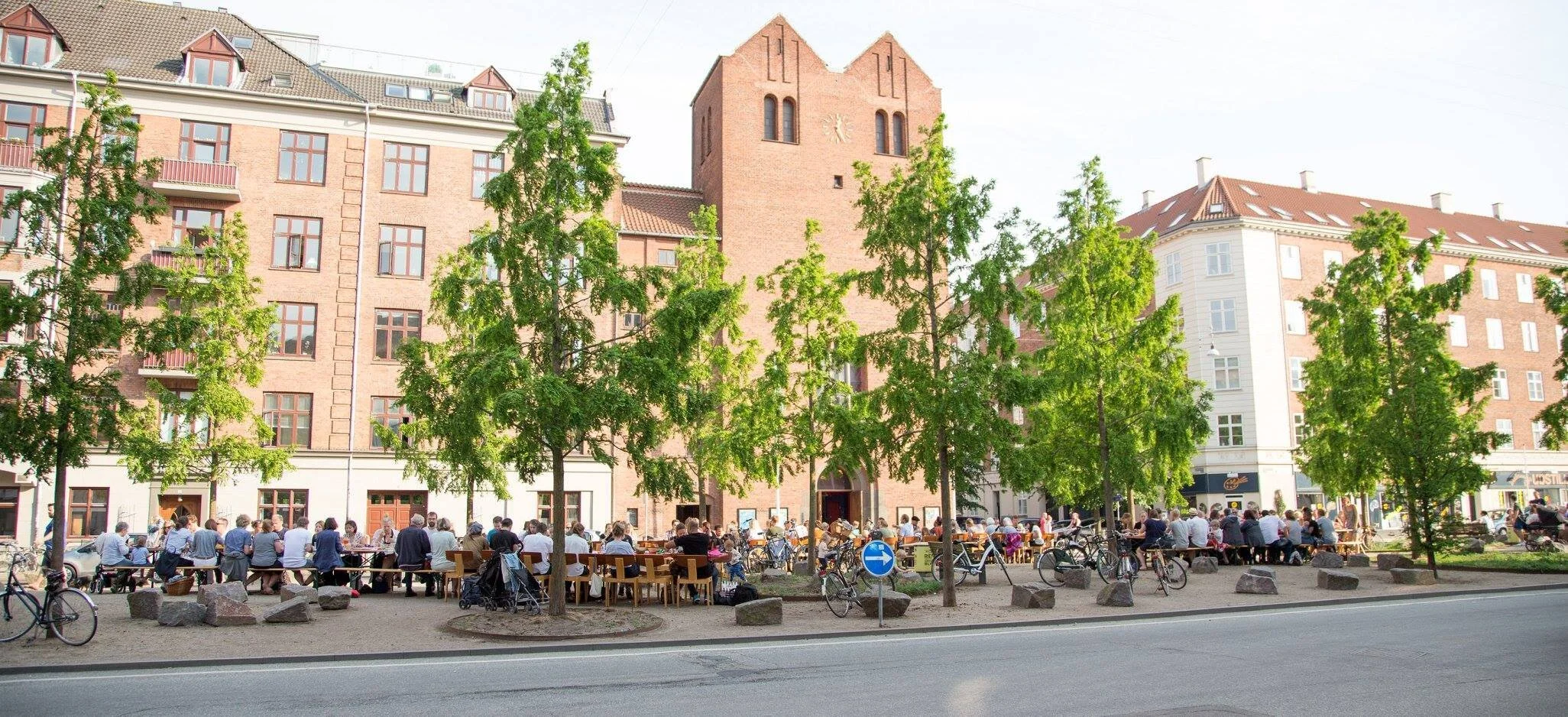
這間位於哥本哈根的教堂在2013年關閉,後來由當地著名創意雜貨品牌 Flying Tiger Copenhagen 的創辦人接手,並斥資近千萬丹麥克朗進行大改造,重新規劃教堂空間,期望延續教堂的原意,同時變成居民喜愛的社區中心。
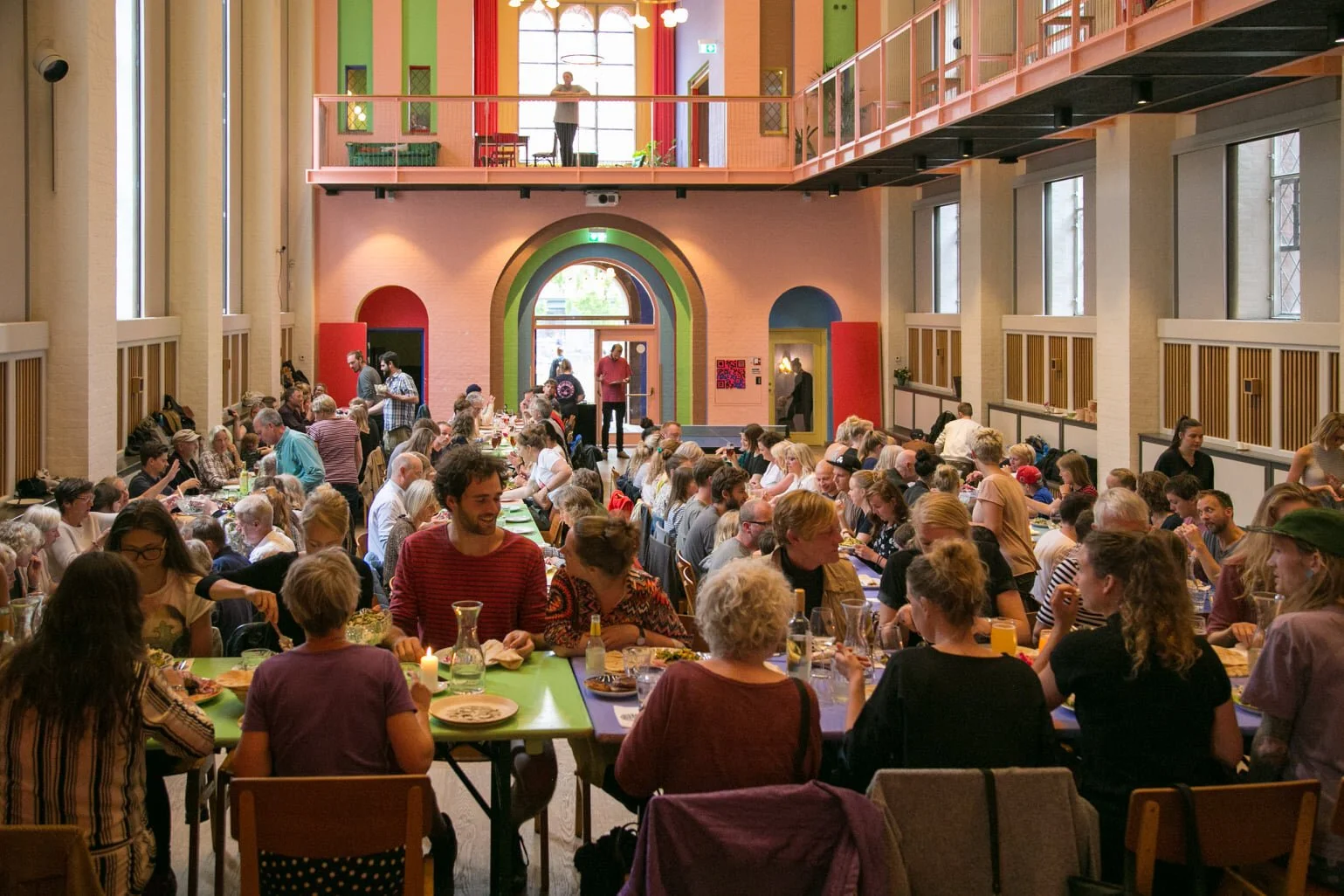
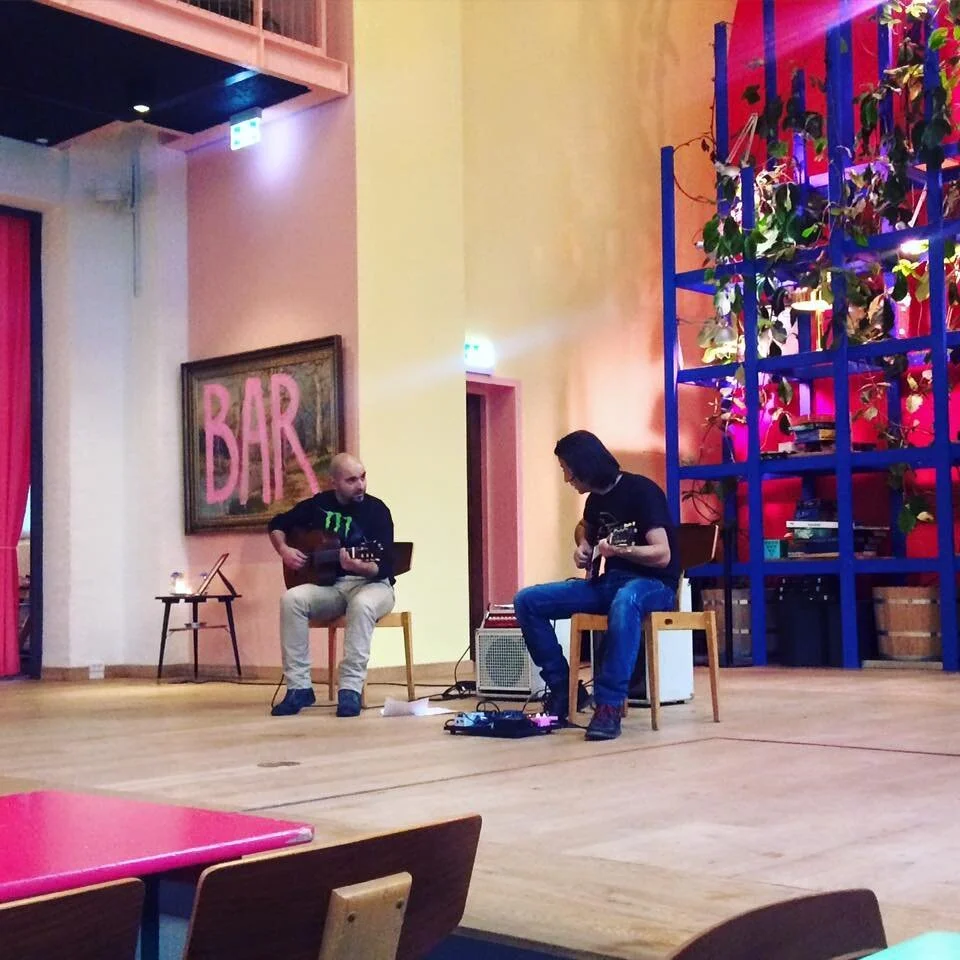
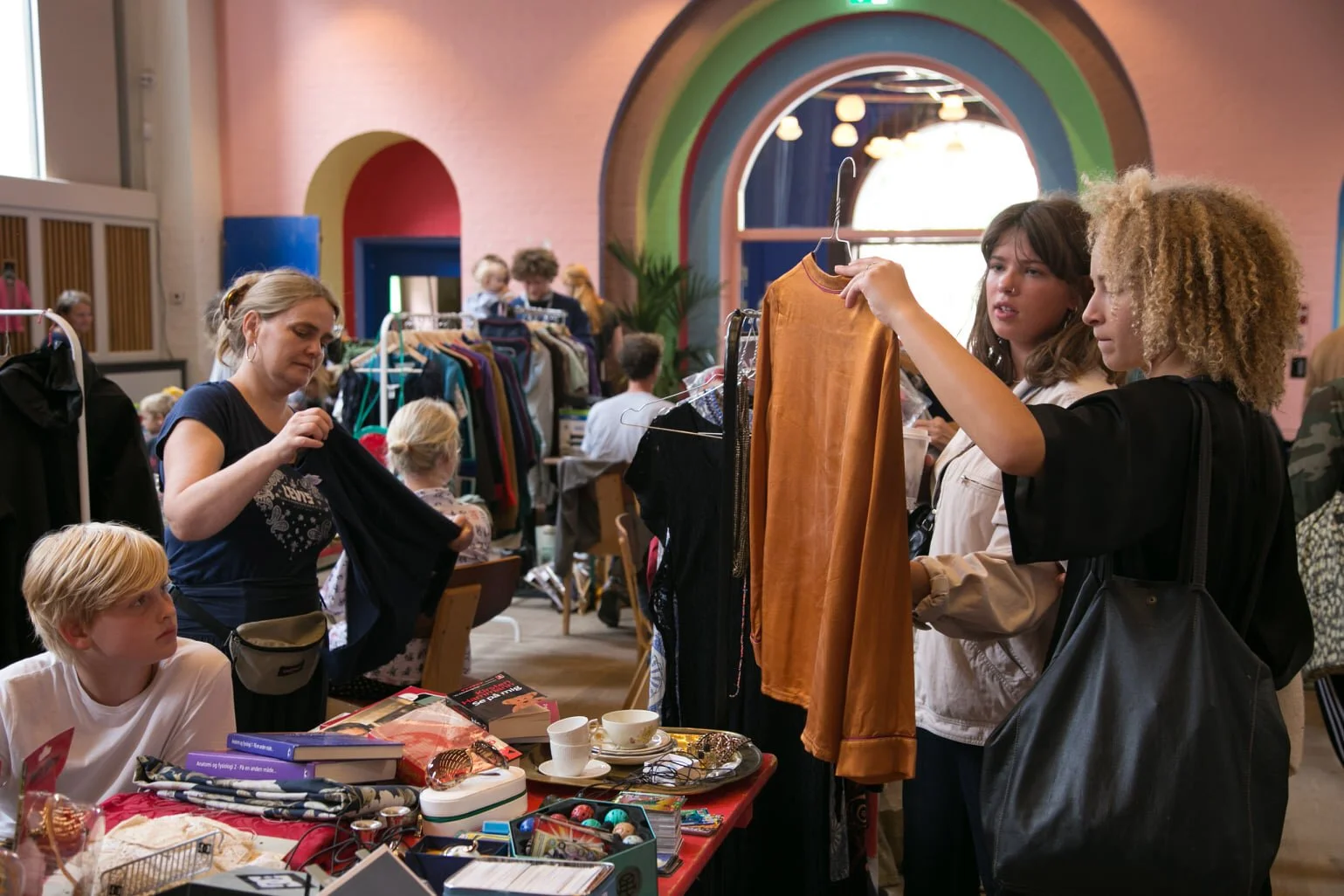
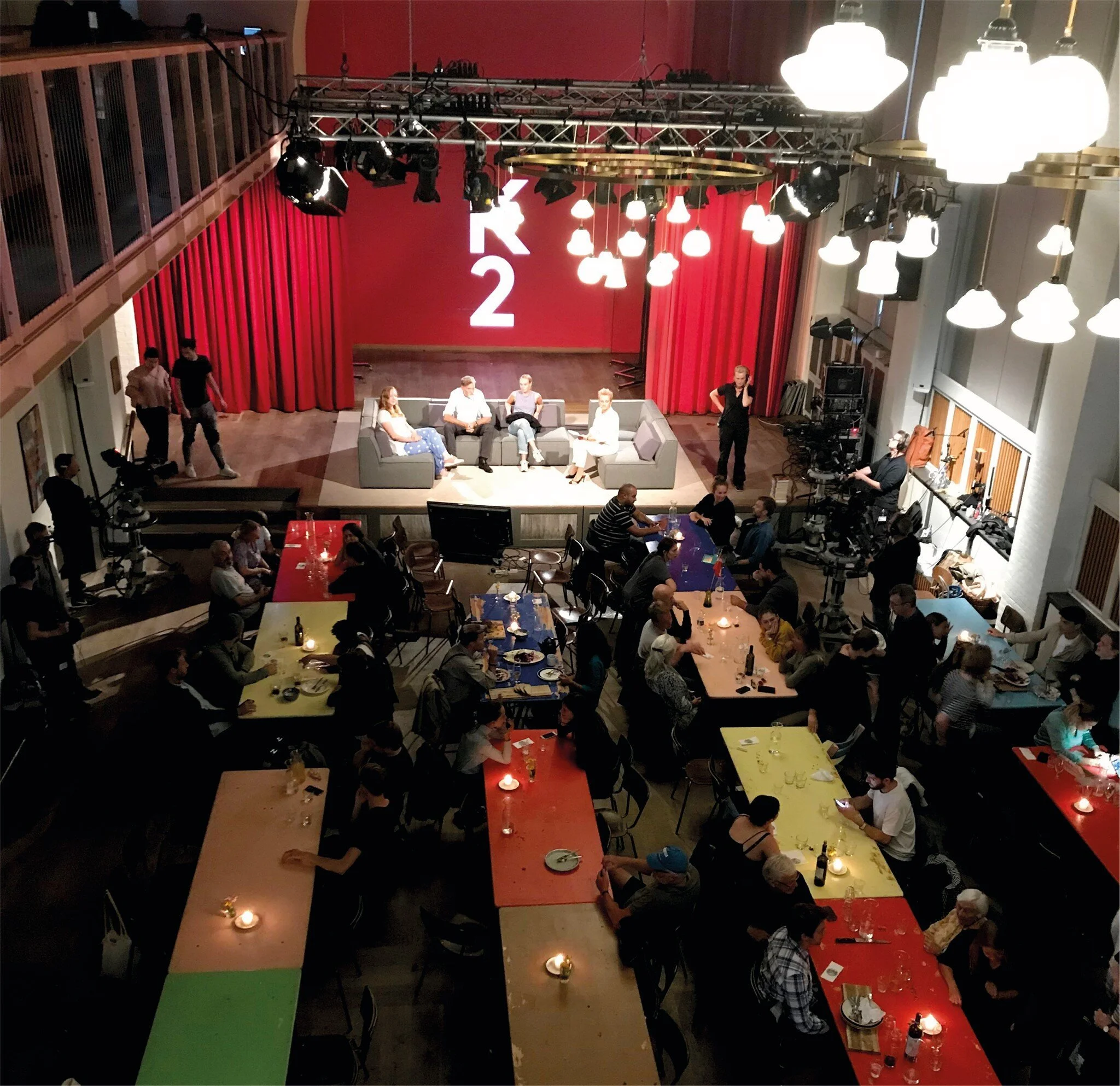
改建後的 Folkehuset Absalon 在2015年開幕,外表沒變,內裡卻變成多功能空間。原本教堂的高樓底,予人莊嚴的感覺,設計師把天花降低,並用上色彩繽紛的家具和屏風,把空間分隔。家具擺位也較為隨意,給人一種尤如家一樣的舒適感,讓街坊隨時隨地也可入內放鬆休息,更可在這裡學習和工作,尤如一個大型的共享工作空間。
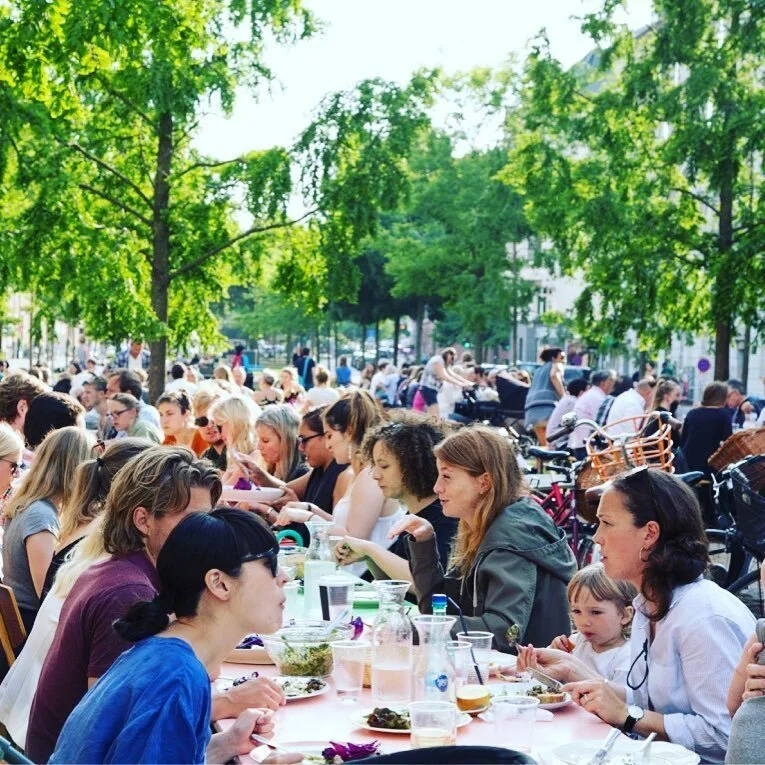
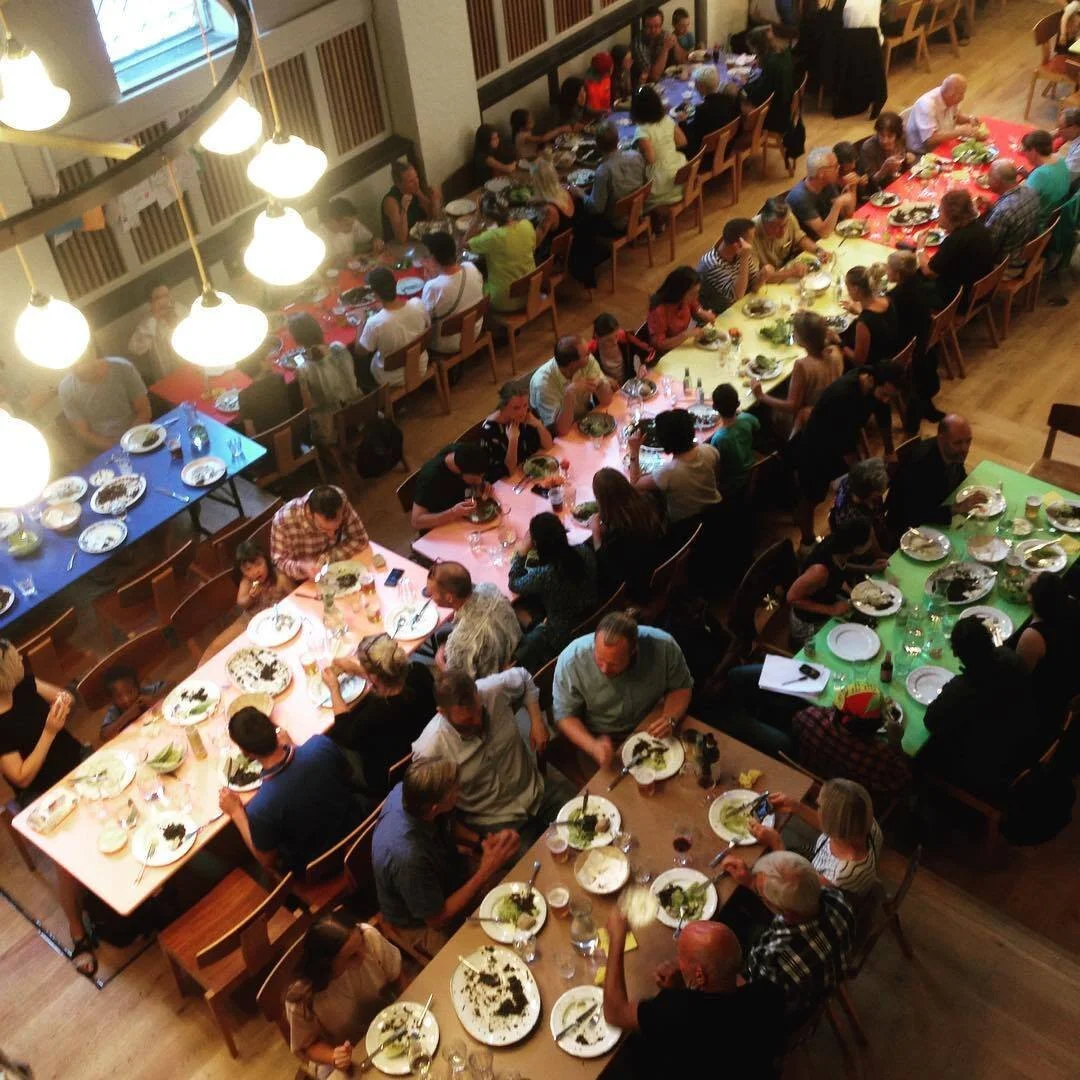
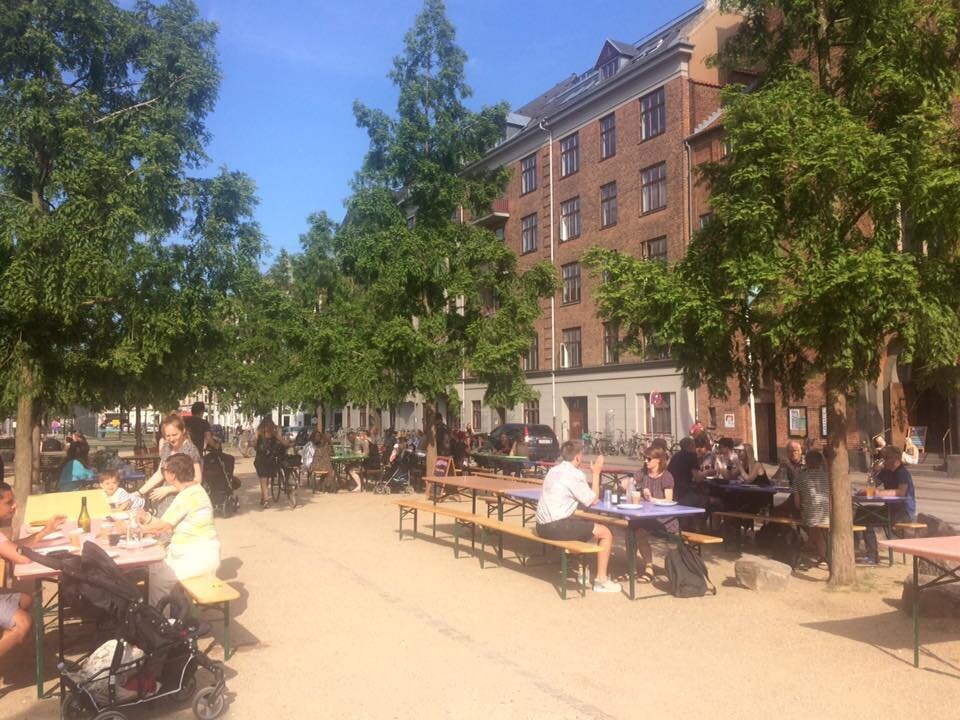
此外,這裡亦積極舉辦不同形式的活動連繫社區,每天的時間表排得密密麻麻,有街坊導賞團、瑜伽課及音樂會等,還有最受歡迎的「同枱食飯」活動,讓街坊及遊客參與,每五至六人一枱分享桌上食物,連結街坊街里,也能促進文化交流,將丹麥文化宣揚開去,真正成為哥本哈根人的「第二個家」。
Folkehuset Absalon 的成功,已成為歐洲不少閒置教堂改建計劃的參考對象。對於香港的閒置及活化空間,如鄉郊村落的廢棄校園、空置用地及工廠等,在空間規劃以外,我們是否也能參考這裡的活動企劃,舉辦更多適合該區街坊需要的工作坊,鞏固鄰里之間的感情呢?
For thousands of years, the church has always been the “second home” to many in Europe. Religion stays, but not necessarily, the architecture of faith could remain. Unfortunately, this is the case we observe in the continent. Shrinking population and plunging membership have caused hundreds of church buildings to close across Europe. In Denmark, for the past 10 years, voices from church officials have been calling for new solutions to tackle the phenomenon of underutilized church buildings.
Among all the discussions of the future plans, the bishops and the locals hoped the revitalisation projects would be community-centred. Folkehuset Absalon has become the inspiration for other churches.
Folkehuset Absalon was one of the six churches being closed by the Danish government in 2013. It was stroke with headlines and debates over how to deal with the abandoned church buildings. It was until 2014, when the founder of renowned creative variety store chain, Flying Tiger Copenhagen, put more than DKK 10 million to acquire the key of Folkehuset Absalon and start revitalising the once-holy building.
Finally, in 2015, the church was transformed and reopened into a community centre for neighbours to gather. Inside the church building, the silent and holy space is now a giant living room, with a lower ceiling and comfortable furniture in bright colours. The atmosphere is welcoming and helps to activate social interaction for people from different backgrounds.
What is even more motivating is how the team of Folkehuset Absalon has continuously been organising workshops and events for the community to attach. From their busy calendar, you can find activities like yoga classes, walking tours in the neighbourhood and even mini-concerts. They also organise daily dinner event opening to locals and tourists. Five to six people will sit at the same table to share food in the warm and inviting space. Folkehuset Absalon has undoubtedly relived as the “second home” to people in Copenhagen.
The successful transformation of Folkehuset Absalon has proved how adaptive re-use could regenerate both physical and community environment.
When we discuss future revitalisation project in Hong Kong, how often have we taken into account the balance between spatial conversion and programme viability? To connect people, we may need the GUTS from Folkehuset Absalon, creating a continuous effort to tie the community closer together. Time to look at the empty or abandoned buildings around your neighbourhood!
你可能對以下吉人吉事有興趣:
You may also be interested in these GUTS Stories: