

Design with Precarity: 4 Lessons from the Pacific Rim Community Design Network
As placemakers, we often ask ourselves: How does our work stand up when the world feels fragile?
Last week, our Co-founder Sarah Mui and Programme Director of onebite SOCIAL , Stephanie Cheung, travelled to Bangkok for the 13th Conference of the Pacific Rim Community Design Network (PRCD). The theme this year, "Design with Precarity," couldn’t have been more timely. In an era defined by environmental shifts and climate impacts, the conference brought together the region’s most inspiring change-makers to discuss how we can build not just resilient structures, but resilient communities.
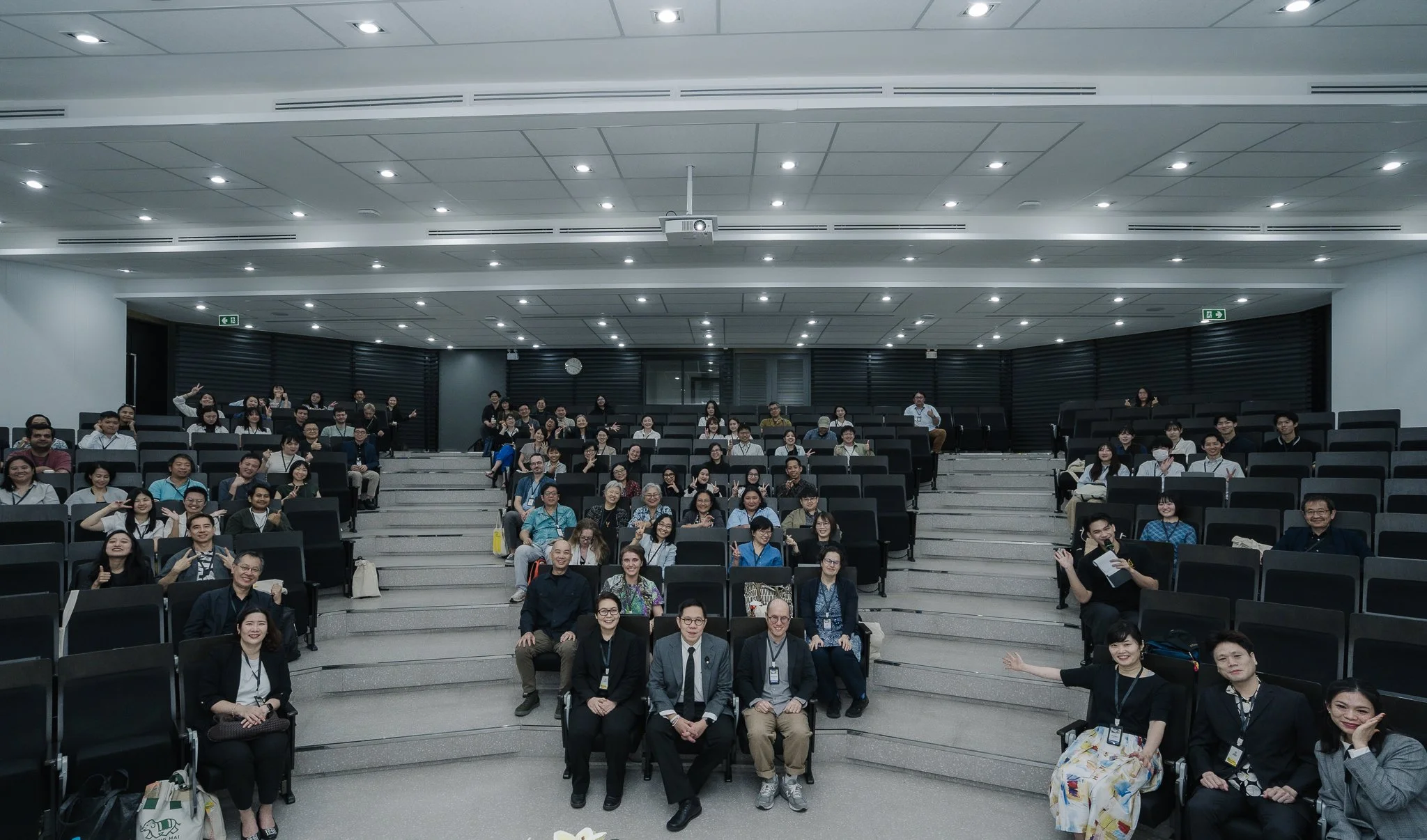
The Pacific Rim Community Design Network started in 1998 as a working conference at the University of California, Berkeley. Since then, it has been an important platform for architects, designers, placemakers, and urban planners throughout the Pacific Rim, fostering cross-cultural exchange and advancing the practice of participatory design across the region.
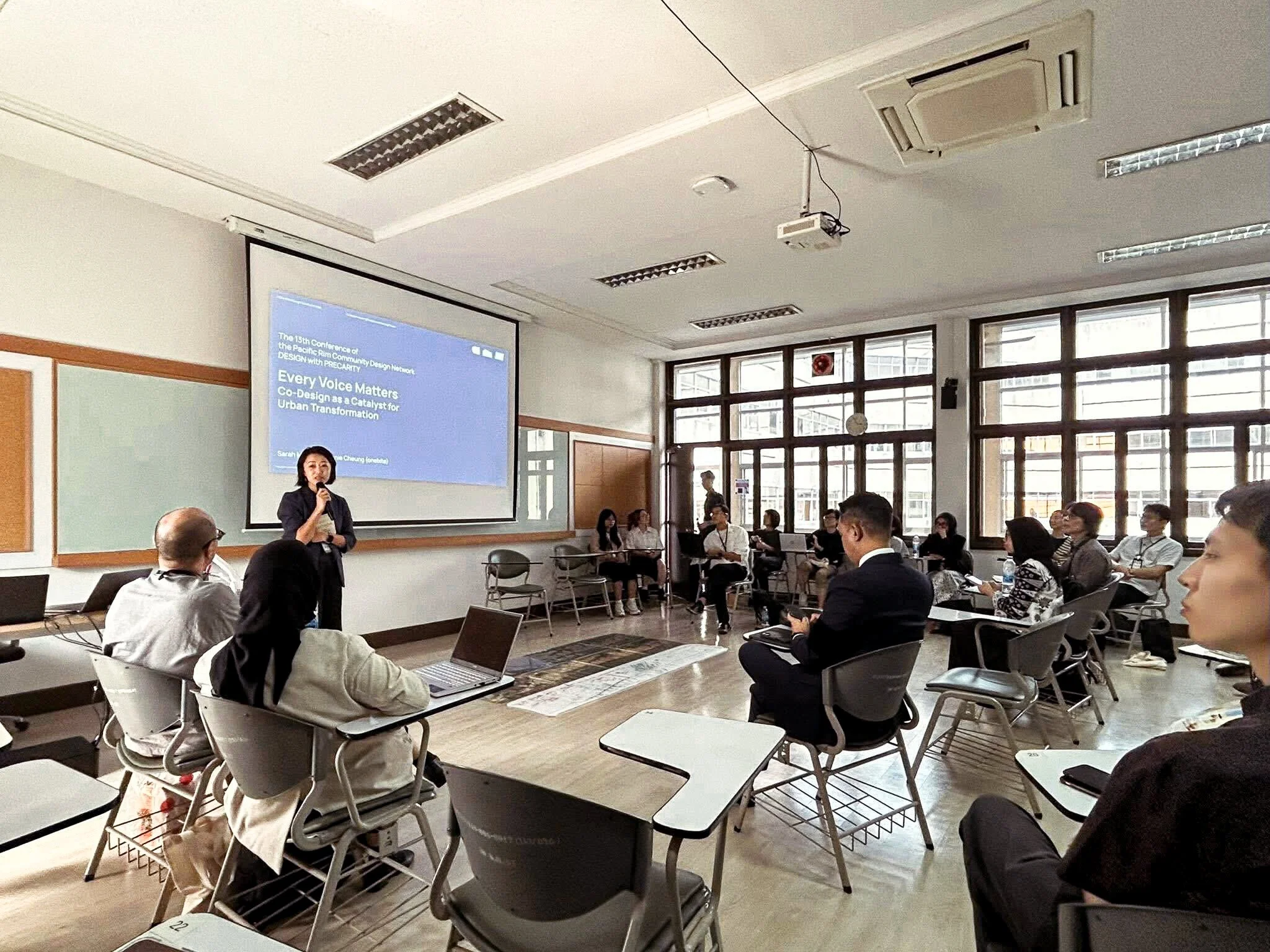
This year’s conference dialogues surrounded marginalised communities, community resilience, co-design, and inclusivity.
Sarah shared onebite’s journey with like-minded experts from the region. She discussed our experience in co-design to catalyse urban transformation in Hong Kong, highlighting how co-creation has always been the central principle behind our work.
Read further: Co-creating well-being with community
But we didn’t just go to talk; we went to listen. Here are 4 inspiring takeaways from the conference that are reshaping how we think about placemaking in Hong Kong.
1. Participation is Good. Representation is Better.
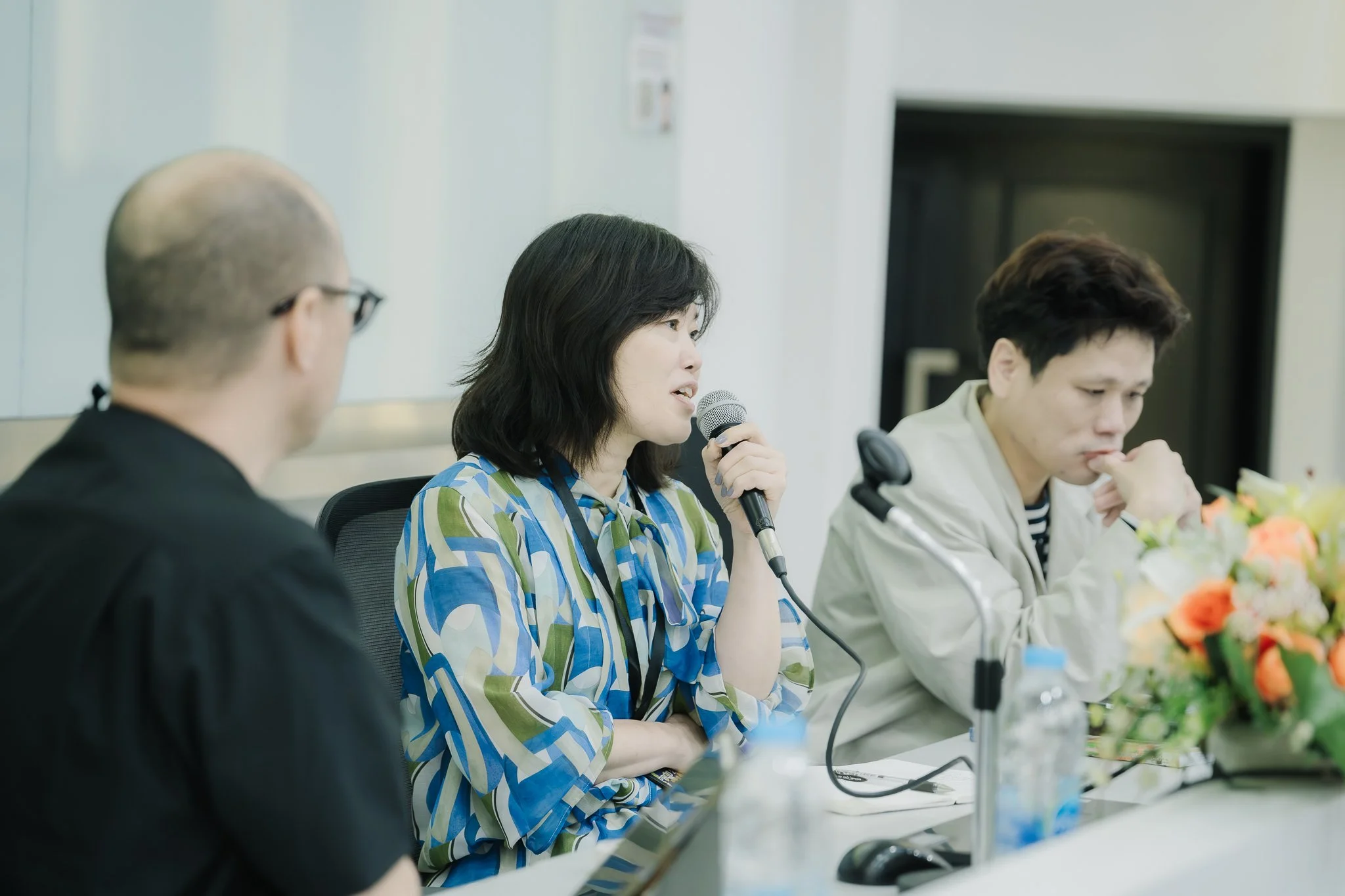
Insight from Fumiko Ichikawa from Re:Public (Japan)
We often talk about "participation" as the gold standard, but the team from Re:Public Japan pushed us to go further.
Founded in 2013, Re:Public is a “think-and-do-tank” that help individuals, institutions, and cities progress towards change. Across their projects, from innovation education to research and development, is a red thread that puts weight on empowering any individual from any background so that everyone could feel that one is invited to be involved in one’s future.
Miss Ichikawa stressed that the real goal of participation is representation—ensuring that the community’s voice isn't just heard during a workshop, but is visibly imprinted on the final outcome.
The Takeaway: As designers, we must ensure our co-creation processes don't just extract ideas, but actually transfer ownership, so the community sees themselves in the result.
2. Art & Cultural Festivals Are Not Just Events—They Are Urban Interventions
Insight from Chiranthanin Kitika, Chiang Mai University (Thailand)
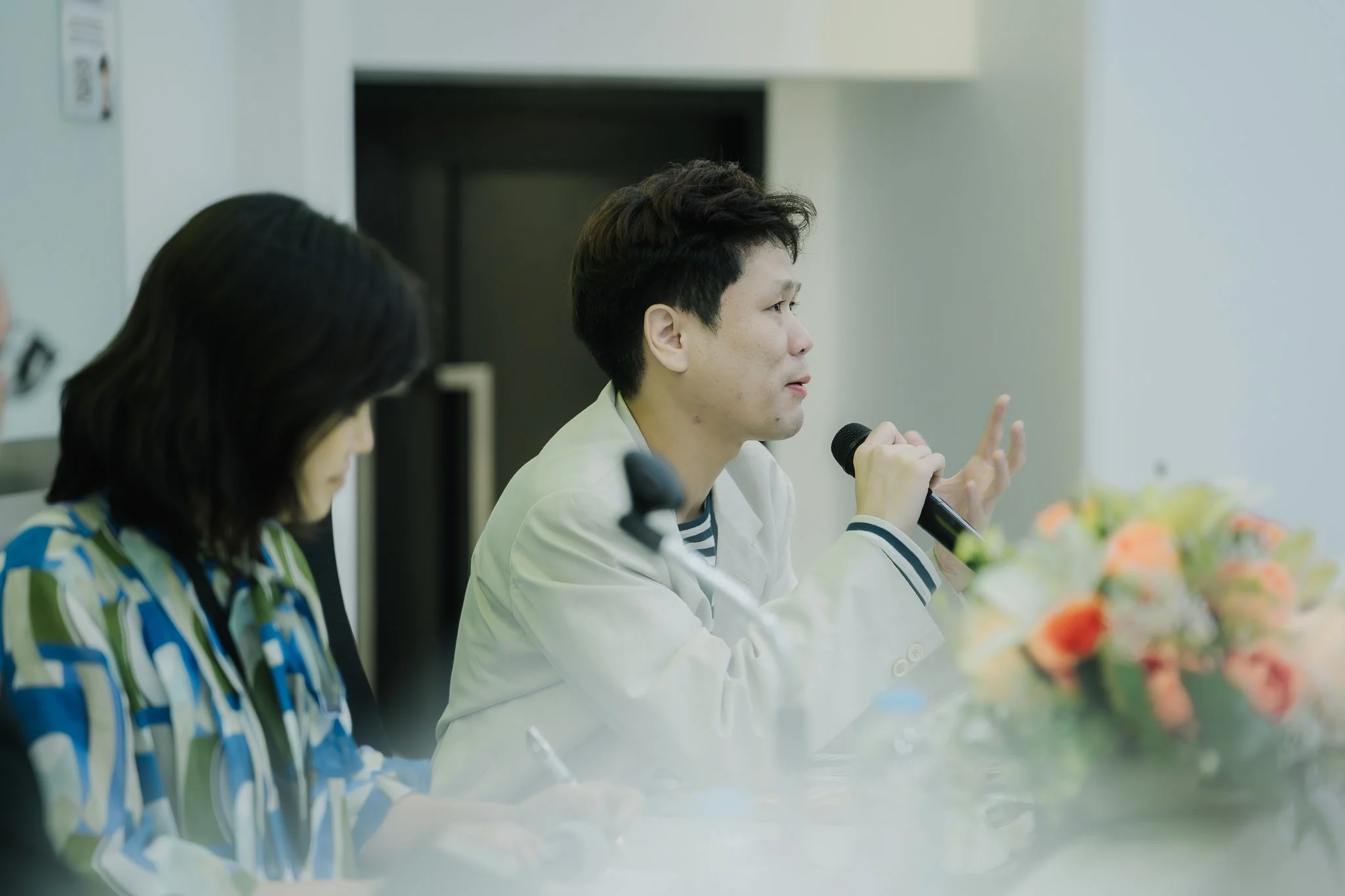
Drawing on his expertise in urban communities and social spaces, Chiranthanin Kitika challenged the audience to look beyond art festivals as merely temporary celebrations. Rooted in his research on urban transformation and participatory planning, he illustrated how these events can function as tactical "urban interventions" that disrupt the status quo. His perspective highlights how community-based design can leverage cultural heritage to create lasting social impact.
The Takeaway: We shouldn't view cultural events as fleeting. By treating them as strategic interventions that integrate local wisdom and sustainable development, we can turn a weekend event into a catalyst for long-term neighbourhood change.
Read further: How we helped preserve cultural heritage with Sai Kung Hoi Arts Festival.
3. Bridge the Power Gap to Build Resilience
Insight from Chelina Odbert, Kounkuey Design Initiative
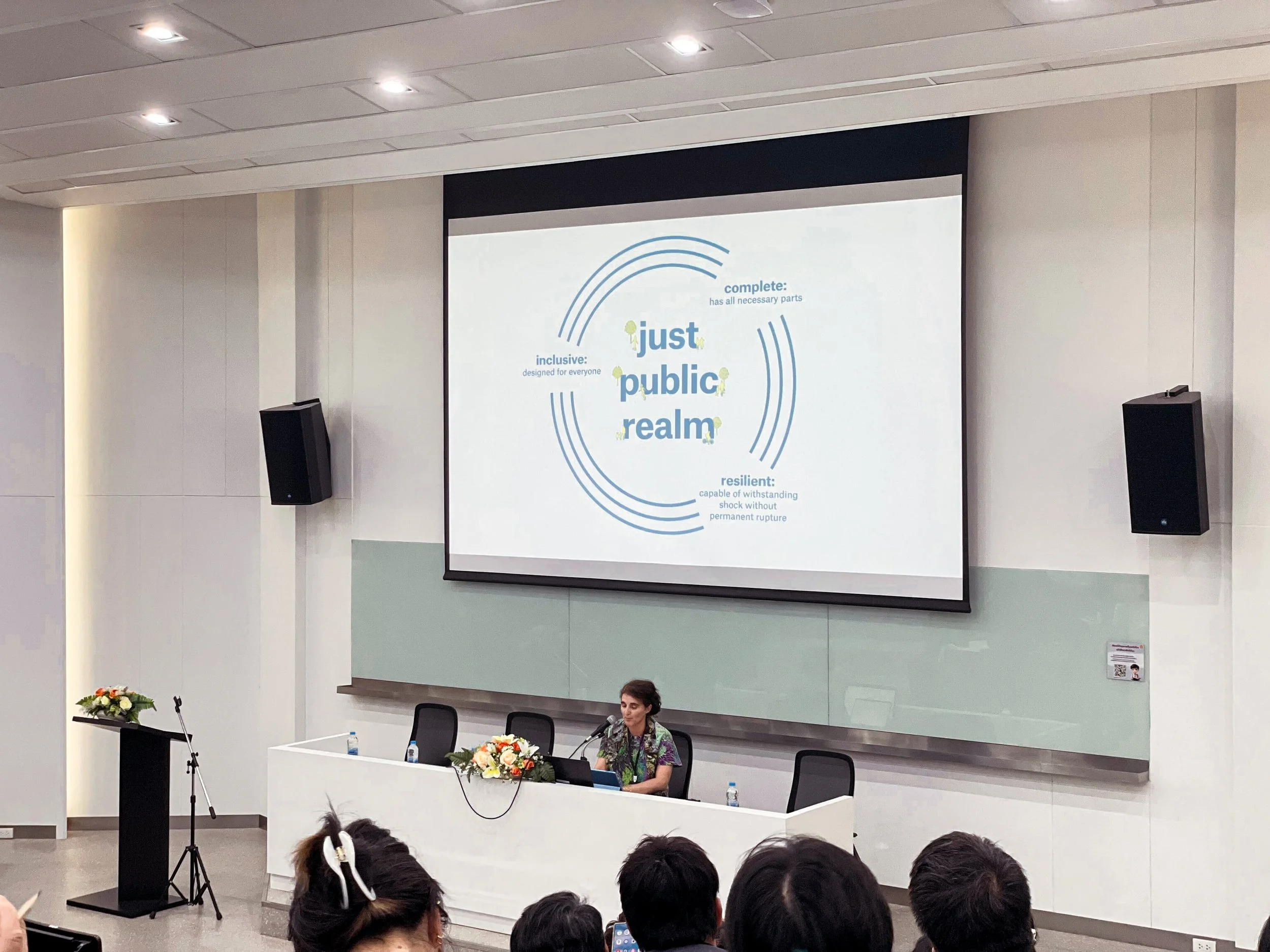
One of the most powerful sessions came from Chelina Odbert, who spoke on the Just Public Realm. While the “public realm” is traditionally defined as shared space belonging to everyone, the reality is that these environments are often only truly accessible to a privileged few. "Just Public Realm" seeks to bridge this gap by ensuring that shared spaces live up to their name and become genuinely inclusive for all community members. It emphasises on community-engaged design to actively advance racial, environmental, and economic equity across neighbourhoods and cities.
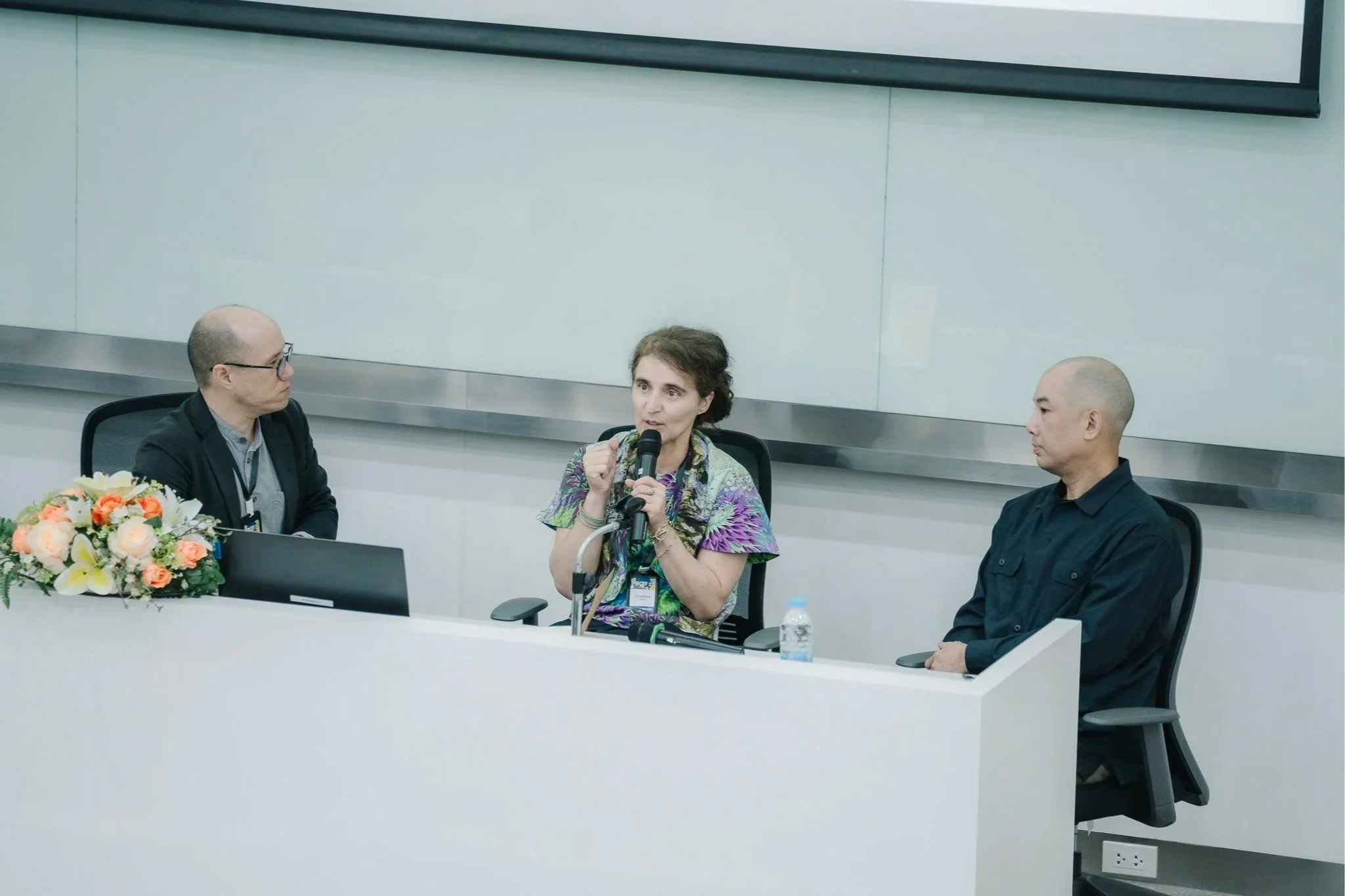
Odbert argued that true resilience isn't just about flood barriers or heat shelters—it’s about equity. If a community cannot participate in the decisions that affect them due to power imbalances, they cannot be resilient.
The Takeaway: Our role as placemakers is to act as the bridge. We must design processes that actively dismantle power gaps, ensuring that the most vulnerable stakeholders have the same seat at the table as the most powerful.
4. Shift the Focus: From Hardware Design to Stakeholder Curation
onebite’s Reflection
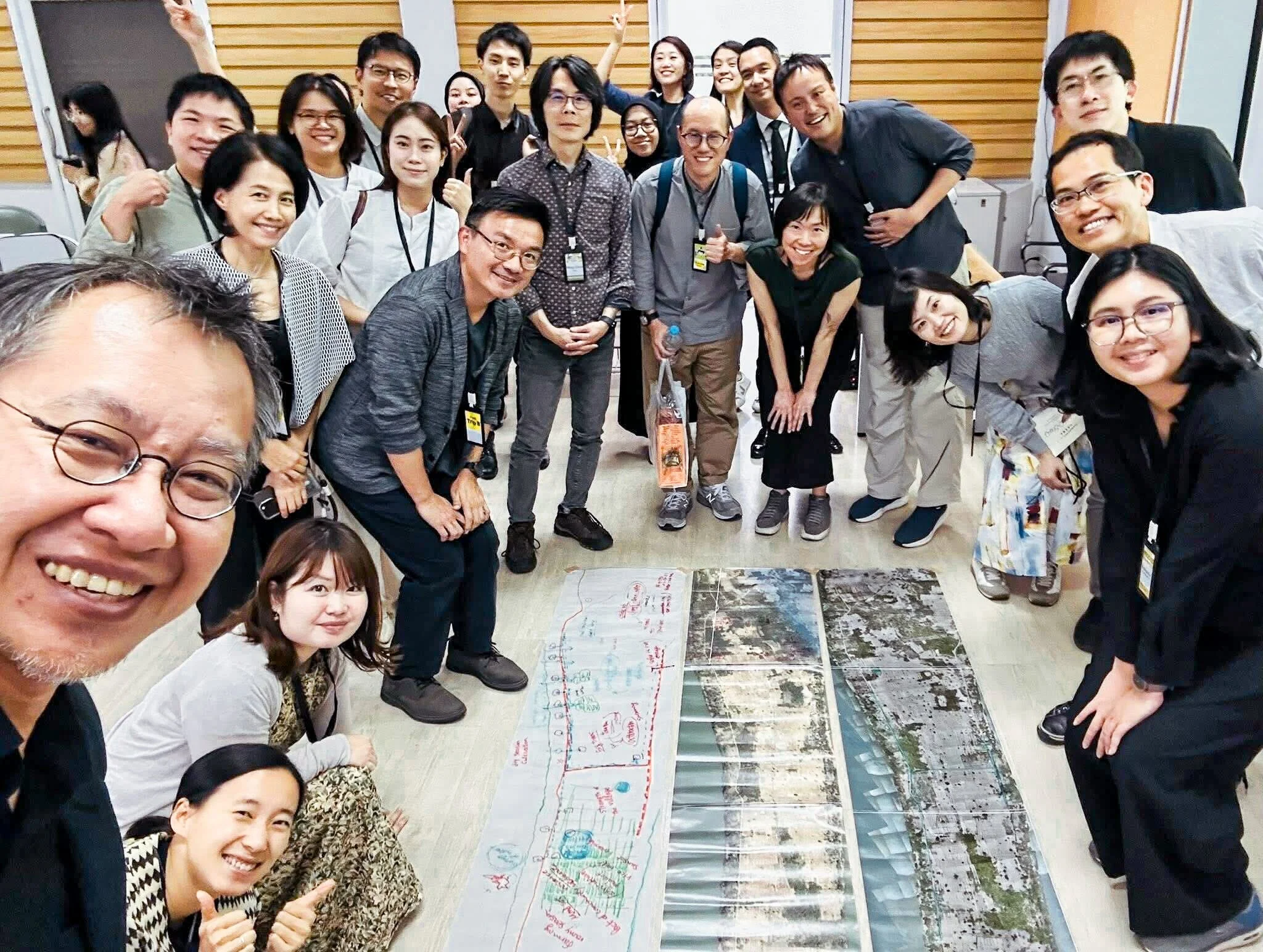
Perhaps the biggest validation for us was this: The future of design isn't about the hardware; it's about the people. Too often, the industry obsesses over the physical form. But the consensus in Bangkok was clear: we need to pivot our energy toward fostering stakeholders.
The Takeaway: At onebite, we are doubling down on our role as "Urban Curators." By investing in the people who will use, love, and maintain the space, we ensure that the places we build can have a lasting impact.
Final Thought: The Pacific Rim Community Design Network reminded us that while "precarity" is a challenge, it is also a call to action. It demands that we design with people, not just for them. We are coming back to Hong Kong energised, ready to turn these global insights into local impact.
