

Reflecting on Heritage Revitalisation: When Historic Buildings Become Mere Shells, How Can We Reconnect the Community?
By Sarah Mui
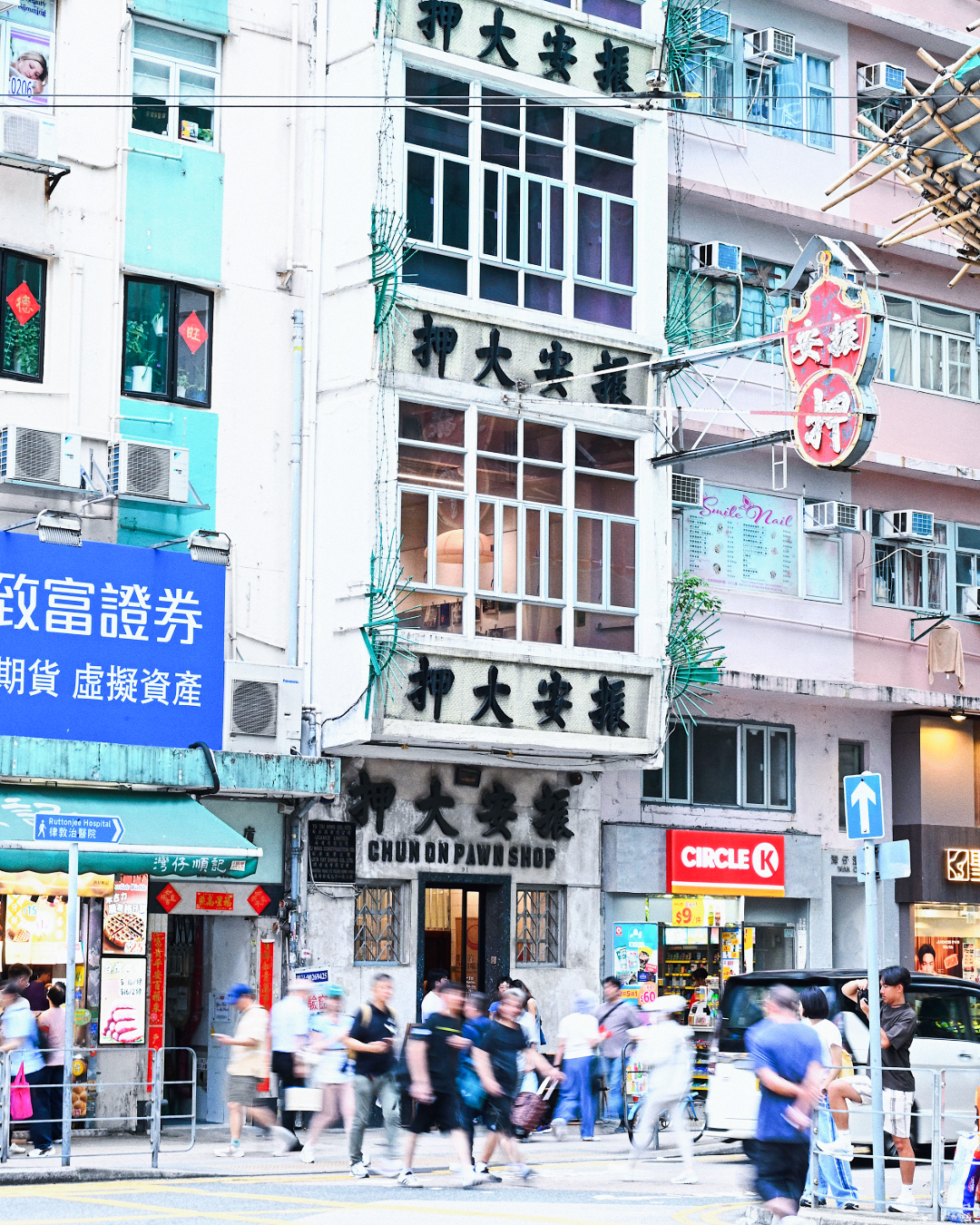
A recent closure at Wan Chai’s century-old Woo Cheong Pawn Shop highlights an ongoing issue in urban heritage: its latest food and beverage venture has shut down, another casualty of a challenging economic climate. For many Hong Kongers, this landmark serves as a familiar anchor—a visual signpost announcing one's arrival in Wan Chai. Although the building has repeatedly attempted to adapt, the commercial outcomes consistently fall short. It raises a pressing question: has the purely market-driven model of heritage revitalisation reached its natural limit?
Saving the Shell, Discarding the Soul
A widespread assumption exists that simply retaining the physical frame of a tong lau (traditional tenement house) is enough for the local community to value it. However, when adaptive reuse devolves into "saving the shell while discarding the soul"—subordinating the entire space to single-purpose commercial activities—the building's value detaches completely from the daily life of the neighbourhood.
When a heritage site stops interacting with its surrounding community, it breeds indifference. Over time, residents come to feel that even if the structure were demolished, little would truly be lost. This detachment is the single greatest threat to urban conservation.
Redefining Heritage Value
The true value of historic architecture extends far beyond physical aesthetics:
Lived history: The human stories, craftsmanship, and cultural footprints embedded within the structure.
Active connection: The continuous engagement between the site and the present-day community.
Layered memories: The capacity to build new, shared experiences upon historical foundations, layering memories like building blocks.
Reconnecting Architecture with Daily Life
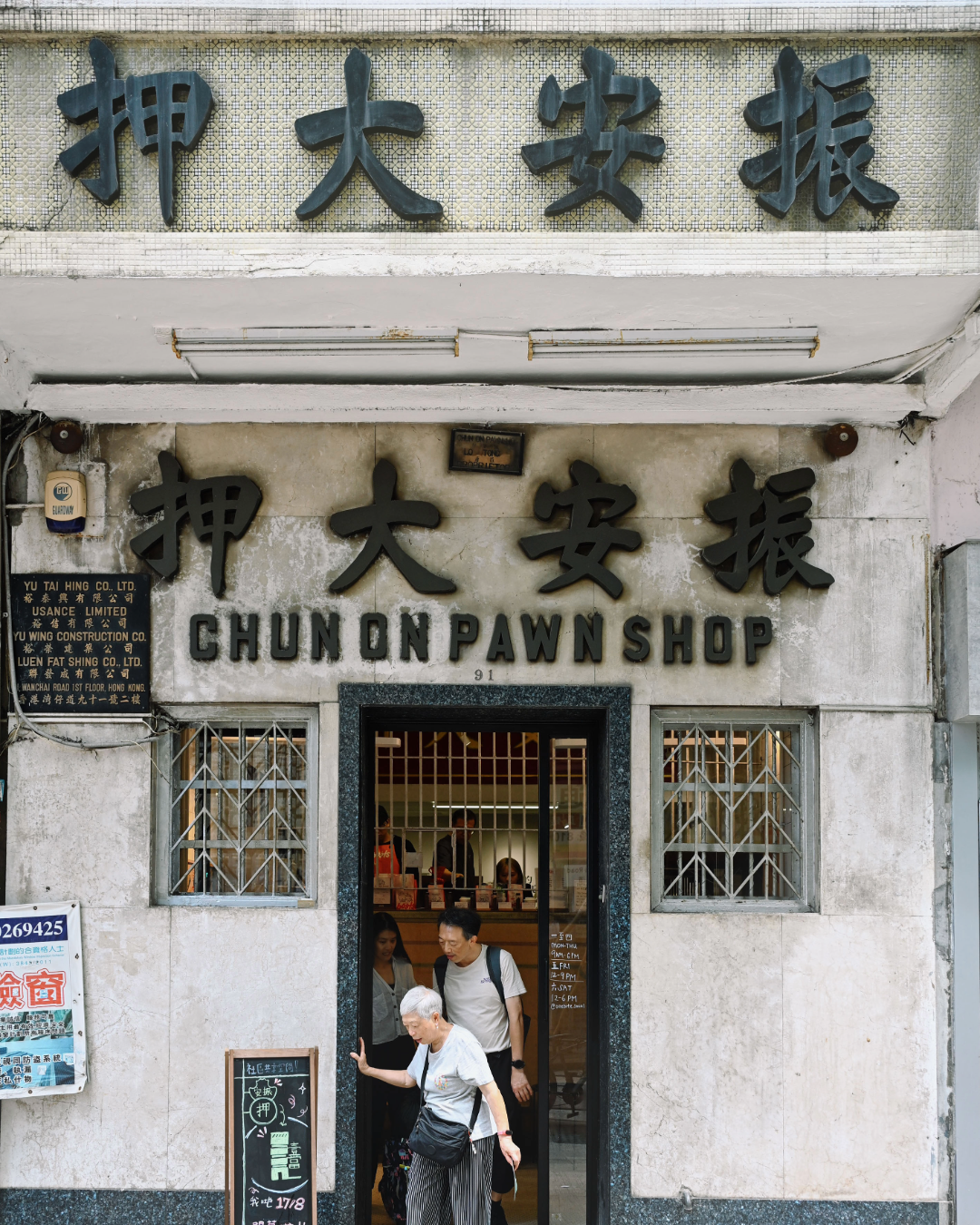
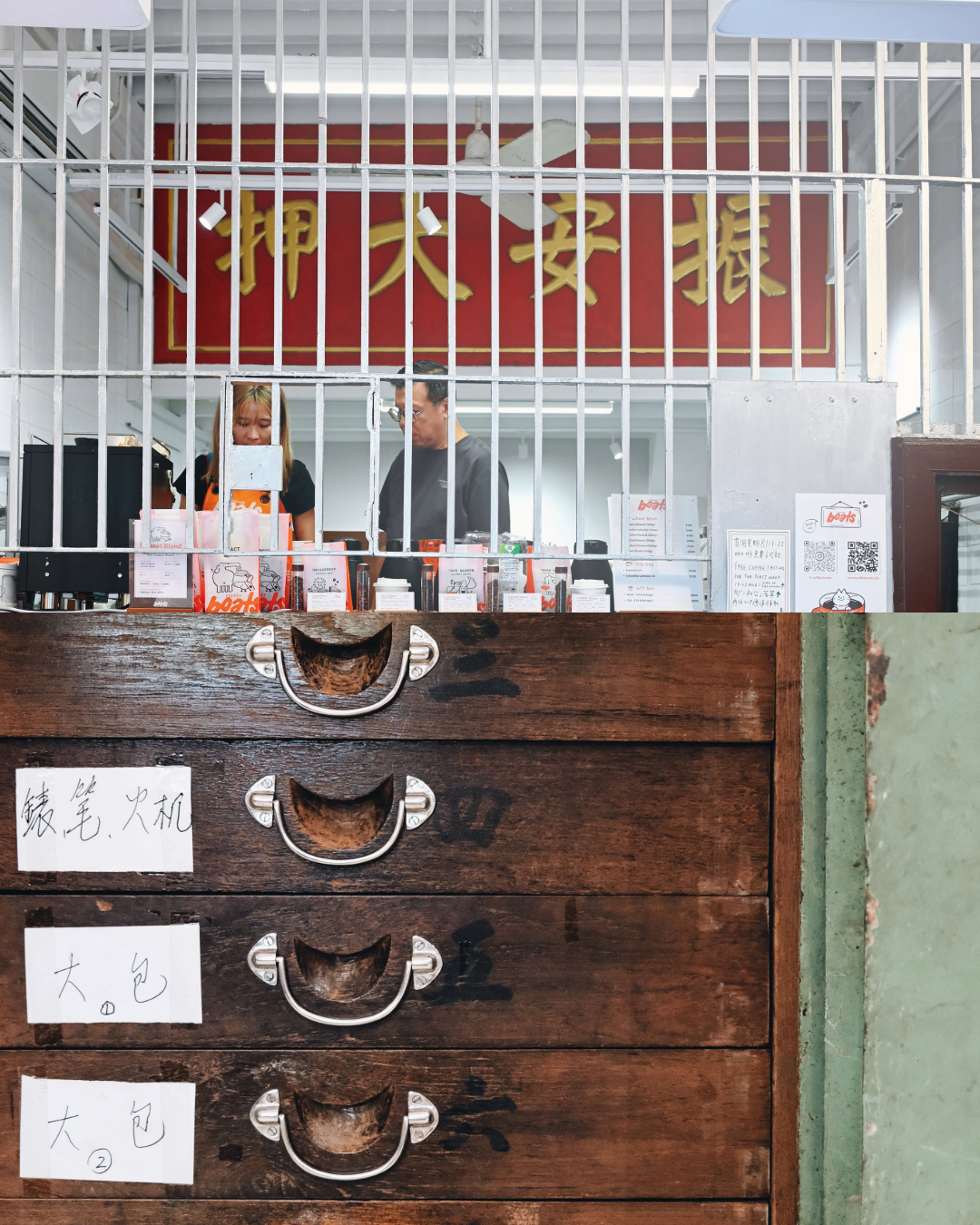
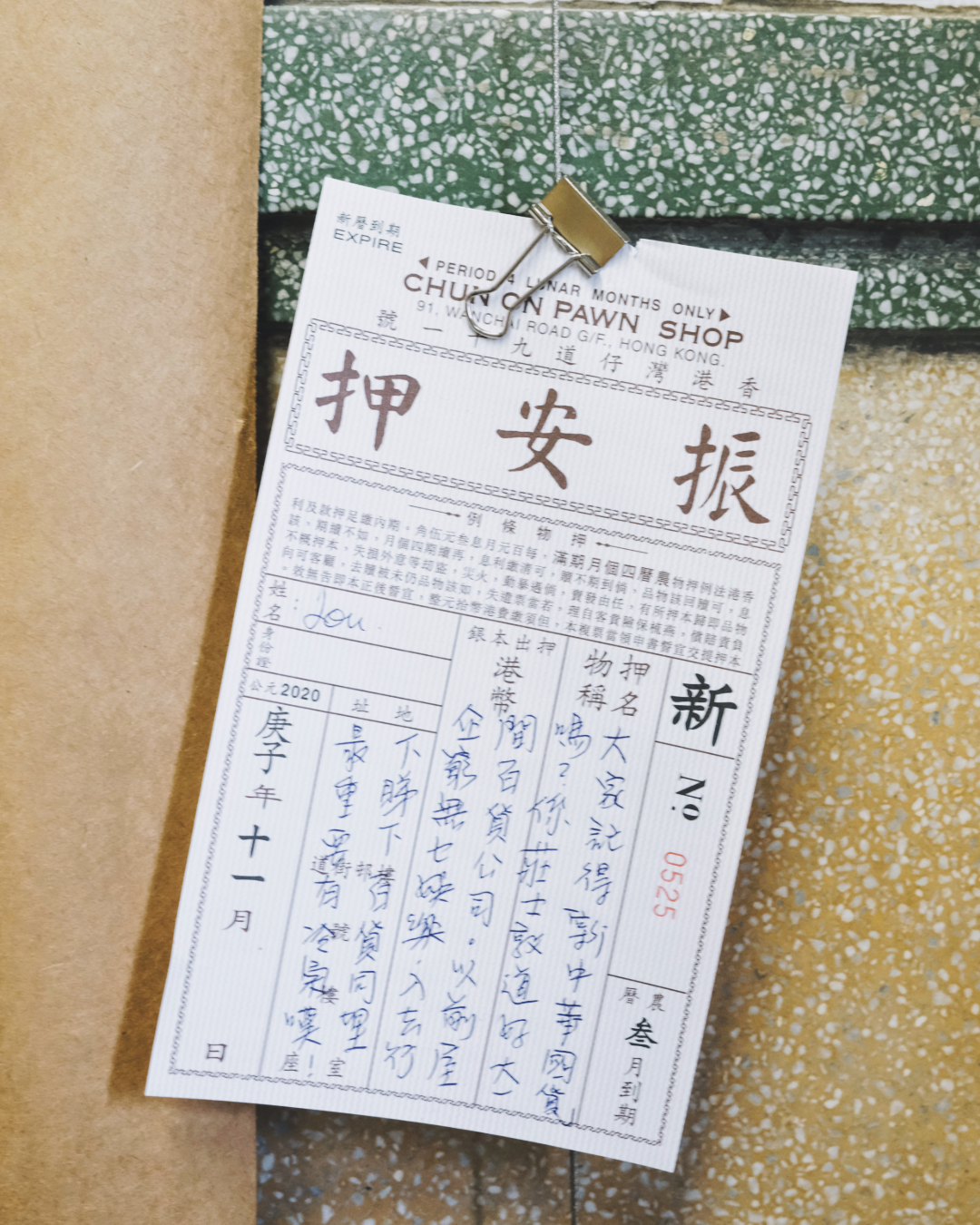
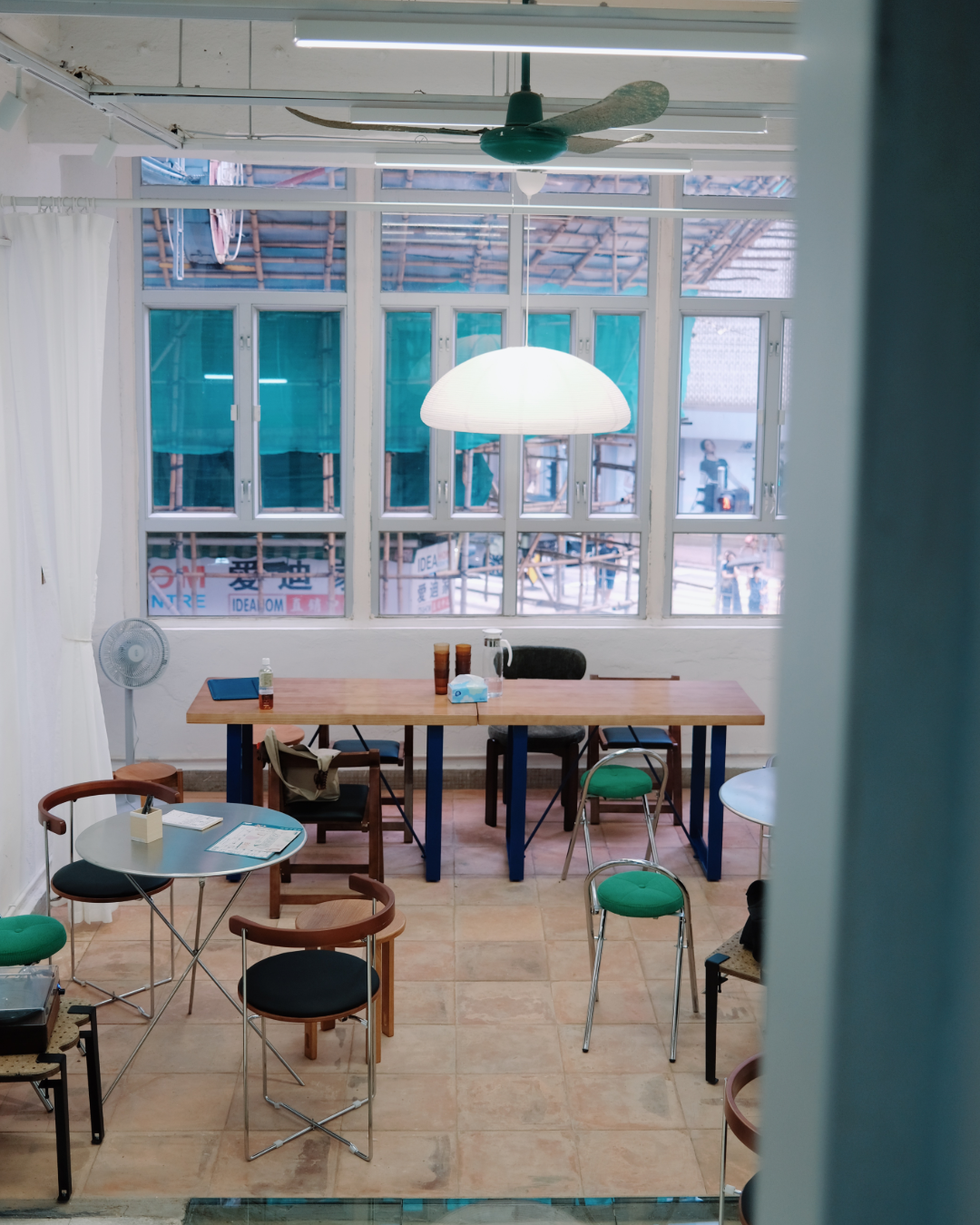
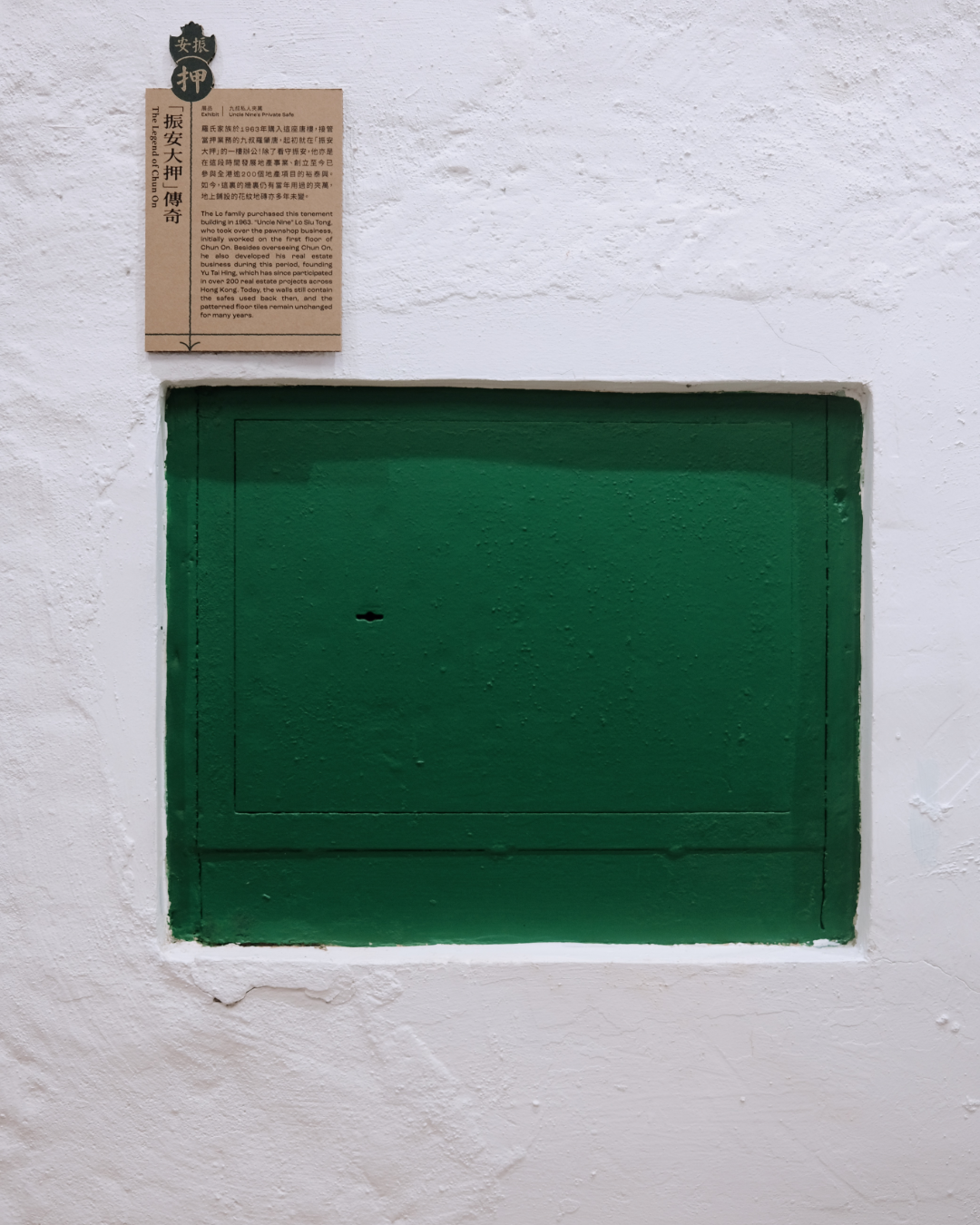
Alternative models, such as the Project House initiative, offer an inspiring path forward. Interventions like Project House@1QRW (situated at the former Yau Kee Hop site) celebrated the legacy of calligraphy master Au Kin Kung. Similarly, Project House@Chun On Pawn transformed the century-old Chun On Pawn Shop at 91 Wan Chai Road into an open, shared community space. These experiments demonstrate that historic buildings need not become exclusive, closed-off commercial enclaves; success relies on maintaining everyday relevance.
Future Possibilities for Urban Heritage
As Hong Kong's urban landscape evolves and the remaining tong lau dwindle, cities cannot rely solely on commercial turnover to foster a sense of local belonging. Cross-disciplinary collaboration is essential to balance financial viability with genuine public access—re-opening doors so the neighbourhood can meaningfully participate.
What new possibilities lie ahead for Hong Kong’s everyday historic architecture?
To explore collaborative community revitalisation strategies or discuss potential urban initiatives, please get in touch with us.
=======
【單向活化的反思:當歷史建築只剩下「殼」,我們還能如何連結社區?】
最近行過灣仔和昌大押,看見裏面的餐飲項目再度受經濟環境影響而告一段落。這棟我們每次經過都會辨認出「我回到灣仔了」的地標,似乎一直都在很努力地嘗試轉型,但效果卻未必如預期。這不禁讓人重新思考:我們過去這種「純商業導向」的活化模式,是不是已經到了需要檢討的時候?
很多時大家會覺得,唐樓只要「留低」在原地,社區自然就會認識及認同佢。但當一個活化項目變成了「留殼不留靈魂」,將空間完全依附於單一的商業運作時,裏面的理念其實已經跟鄰里的日常生活完全脫節。
當一棟建築同社區失去互動,久而久之,大家甚至會覺得就算有天它被拆卸,好像也不再可惜——這才是城市保育最大的危機。
一個歷史建築真正的價值,從來不只是外形,而是:
曾經在這裏發生過的歷史與生活痕跡;
它是如何繼續與現在的社區產生連結;
我們如何能在這份底蘊之上,繼續像「砌積木」一樣疊加新的社區記憶。
其實,近年推行的壹屋計劃提供了另一種思考視角。無論是在皇后大道西壹號(有記合舊址)打造的「壹合」,探尋書法大師區建公的文字筆跡;還是在灣仔道 91 號將百年當舖「振安大押」轉化為「壹當」社區共享空間——這些實驗都證明了一件事:建築不需要變成專屬或封閉的高端空間,重點是保持與日常生活的相關性。
面對城市發展與唐樓數量減少,我們不能再純粹依賴「推陳出新」去改變大家對社區的歸屬感。我們需要思考如何結合跨界別協作,在保留空間商業營運能力的同時,重新把門打開,讓鄰里與社區能夠真正參與進來。香港唐樓(日常歷史建築)的未來,究竟還可以有甚麼新的可能性?
一起探索社區活化與營運方案,歡迎與我們聯絡。