Our Business can be a Force for Good: onebite’s B Corp Journey
How did we use design and placemaking to drive positive changes in our society?
The Challenge
There is a stereotypical view that doing good and making profits cannot coexist in a business. How might we change people’s perspective that there are companies in Hong Kong like us that focus on making our community and users better?
The Outcome
By following B-corp’s assessment framework to evaluate the social and environmental impact of our projects, onebite does not see B Corp only as an accreditation. We refer regularly to the criteria to improve and evaluate the projects we are doing or have done, and think deeply about how we can benefit our community and environment.
This article expresses onebite’s thinking about the B Corp certification and how we could leverage the collective impact of B-Corps to do projects in a better way, and make the community a better place for now and in the future.
What is B Corp?

B Corp is a certification system created by B Lab. It is a non-profit network that sought to transform the global economy for the benefit of all people, communities, and the planet. B Corps, or Beneficial Corporations, are companies that act in ways that are positive for the society as a whole. While B Corp seems to be an attractive proposition for all companies to aspire towards, the question is why did onebite apply for it?
Why did onebite become a B Corp?
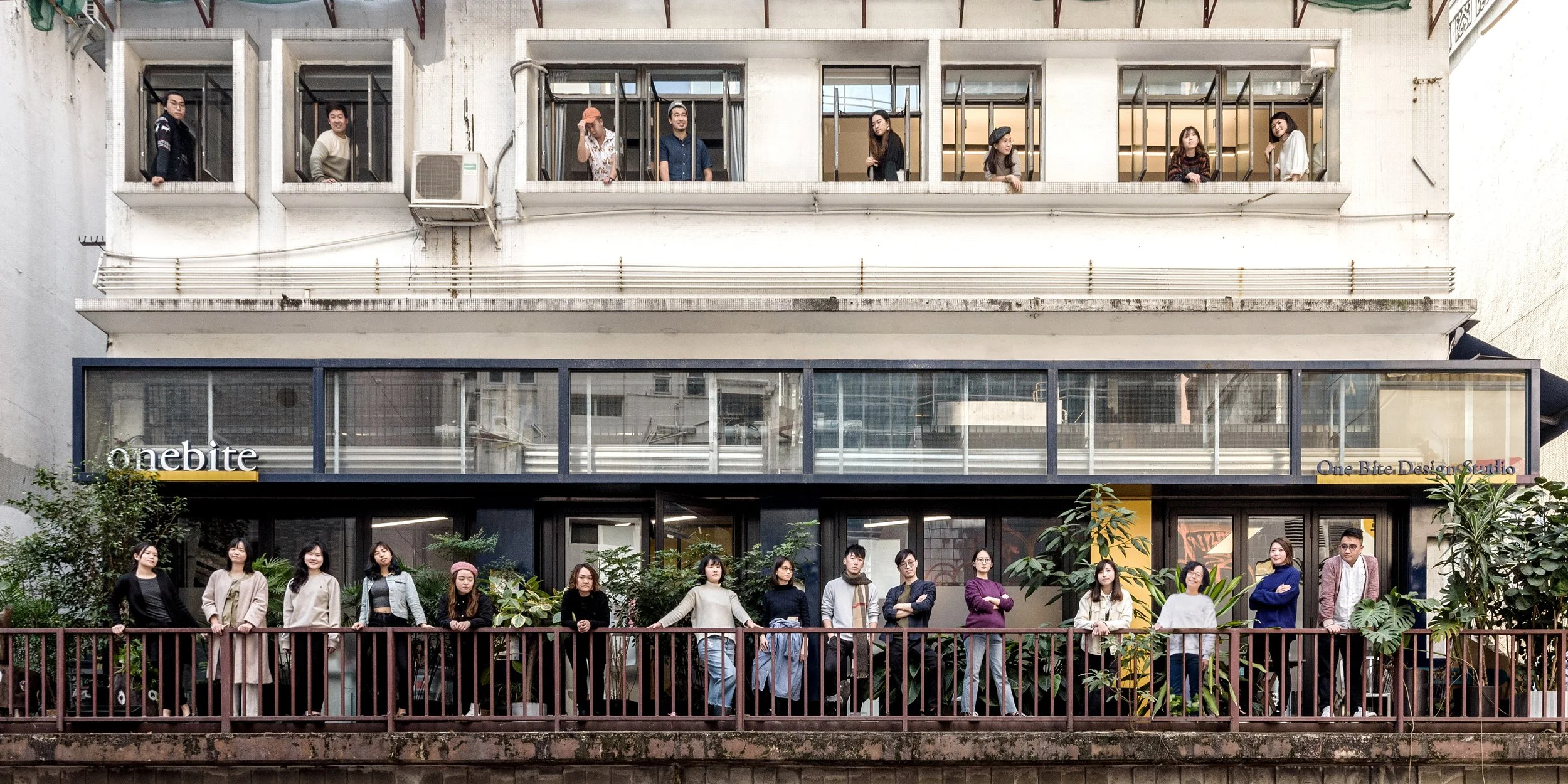
onebite took this group photo in 2021. It symbolises our ongoing exploration of interdisciplinary design to improve our placemaking capabilities.
In 2017, onebite was only a young design studio established for about two years. Even then, we were already working with several social enterprises to promote the spirit of good design. We were also involved in community and environment-related projects, including the interior design of Green Ladies, a local social eco-enterprise selling secondhand clothing to promote the sustainable use of resources. At that time, onebite was pondering a problem that might seem minor to the casual observer, but was troubling to us: why is the idea of doing good so vague?
Everyone seemed to have their own idea of what is good and pursued different causes and directions. However, this diversity tended to confuse the public and even our collaborators and clients were unclear about onebite’s positioning in the social causes we pursue.
Some decided we were a design company while others felt we aligned more to a social enterprise. This ambiguity made us aware that outsiders see a fundamental difference in the way profit-making businesses and non-profit organisations (NGO) and social enterprises should be run. There is a stereotype that businesses had to be profit-oriented while NGOs must pursue social causes at the expense of incurring financial losses. However, onebite realised there is neither a fixed dichotomy in doing good nor a need to align with either model. Instead, we could see it as a spectrum and define our position by balancing both a profit-driven and cause-driven business model.
We began to explore international and local examples and through our clients and collaborators, we found B corp, a certification system which not only fits our vision but also shares our belief that businesses could make society a better place by operating more sustainably. Our “Design for Good” ethos aligns with this mindset and prompted us to apply for the certification.
Applying to be a B Corp is Not Easy
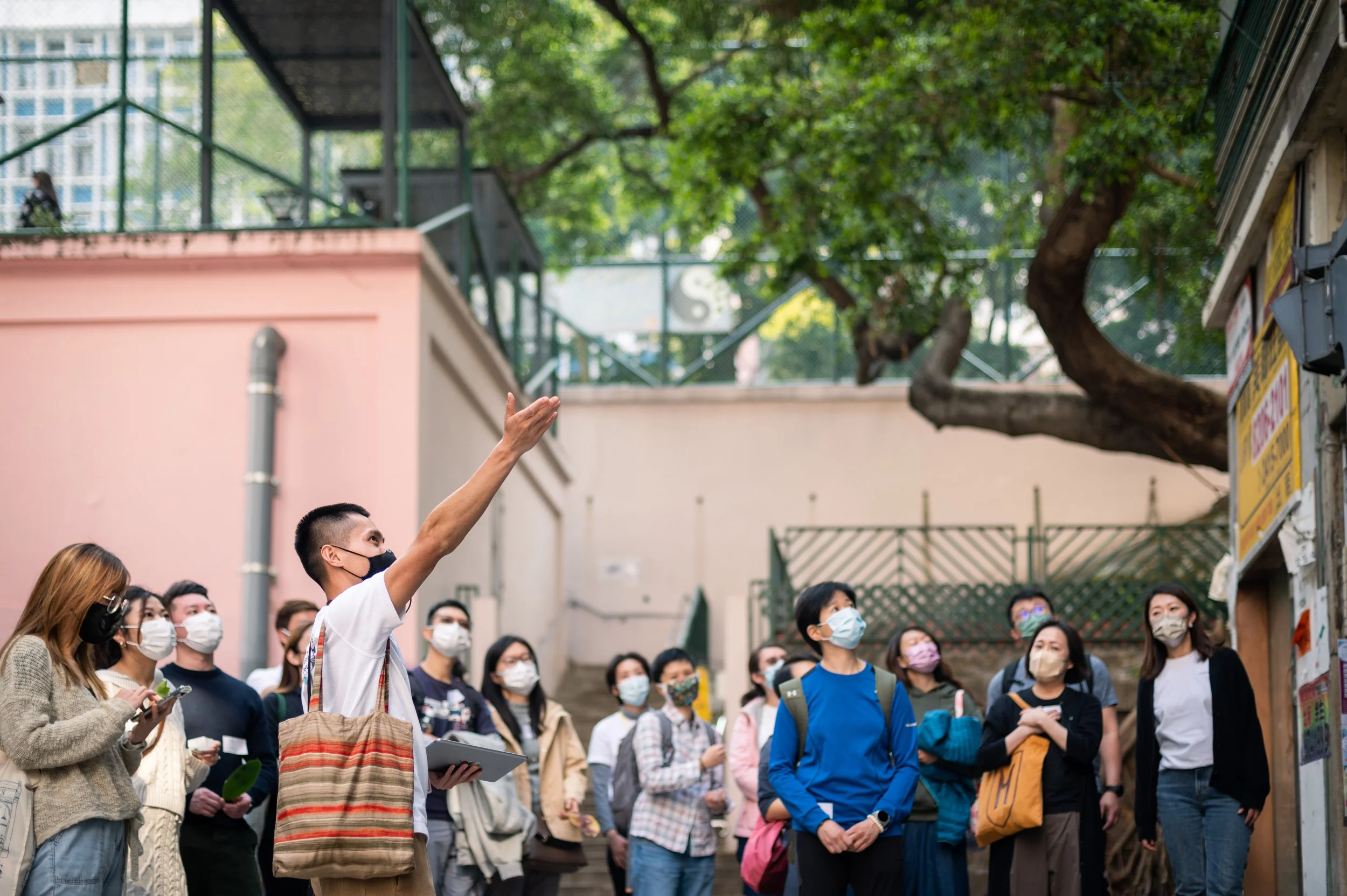
One of our community projects, Community Plant Library not only connects people with plants in the community, but also increases interaction among individuals, bringing vitality to the community.
The threshold to apply for B Corp certification is very high as B Lab wants to build bridges between businesses that have a heart for society and the world. It has clear criteria to assess the contribution of a business to the wider society, and requires a certain level of commitment in five different areas to verify whether a company is contributing to society in a well-rounded way.
Nevertheless, obtaining the certification was rewarding. For example, through B Corp’s evaluation criteria, we were able to assess not only which types of projects we should look out for and carry out more; we also noted the areas we needed improvements in. This made us aware of project areas we had not taken considered previously, and what are the tangible outcomes we should strive for in terms of community development.
In 2020, we were accredited as the first B Corp architectural firm in Hong Kong. Out of the five categories, which comprised “Governance”, “Workers”, “Community”, “Environment”, and “Customers”, it is perhaps not surprising that we scored the highest in the “Community” aspect. As a design firm focused on placemaking, our design philosophy remained first- and foremost place-focused. We believe in the multiplier effect of co-creation and we continue to work closely with collaborators, design partners, and stakeholders on community projects to realise a new urban vision.
Community Placemaking as Method
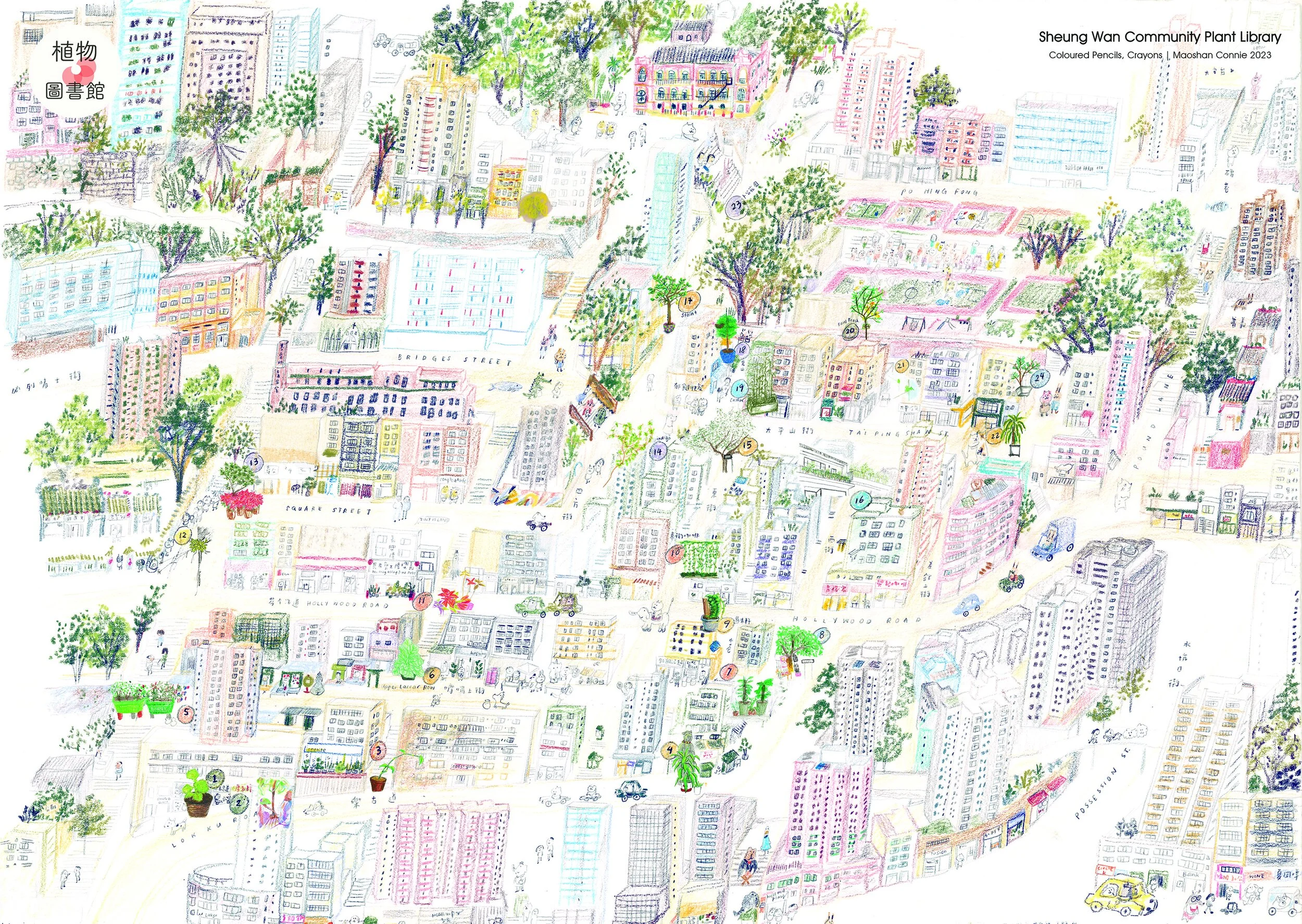
This lovely and colorful plant map was hand-drawn by artist Maoshan Connie. It not only depicts the different plants in the community, but also highlights the architectural features of the surrounding area, allowing people to discover the various details in the community.
Some memorable community projects we have undertaken included Community Plant Library, FOOD HOUSE COMMUNE KITCHEN.
In Community Plant Library, we partnered with twenty local shops in San Po Kong, a light industrial neighbourhood and encouraged them to adopt a piece of “plant furniture” each. We also collaborated with artists and craftsmen to host workshops such as plant dyeing, upcycling coffee grounds to make planting pots, and making ginger powder. The involvement of local shops formed a community map linking San Po Kong’s network of plants. The plant furniture displayed in these shops also transformed the shop into a social space, bringing residents together to care for the plants or share their stories, enlivening the whole community and promoting local economic growth for the community.
This innovative placemaking program promoted civic engagement and provided environmental education in a gentle way. It allowed the public to realise that we have to share our living environment not only with people but also plants. We aimed to raise public awareness of the plants in public spaces and bring vitality to different communities through various forms of engagement.
In addition to San Po Kong, we have also held the programme in other districts, including Sheung Wan.
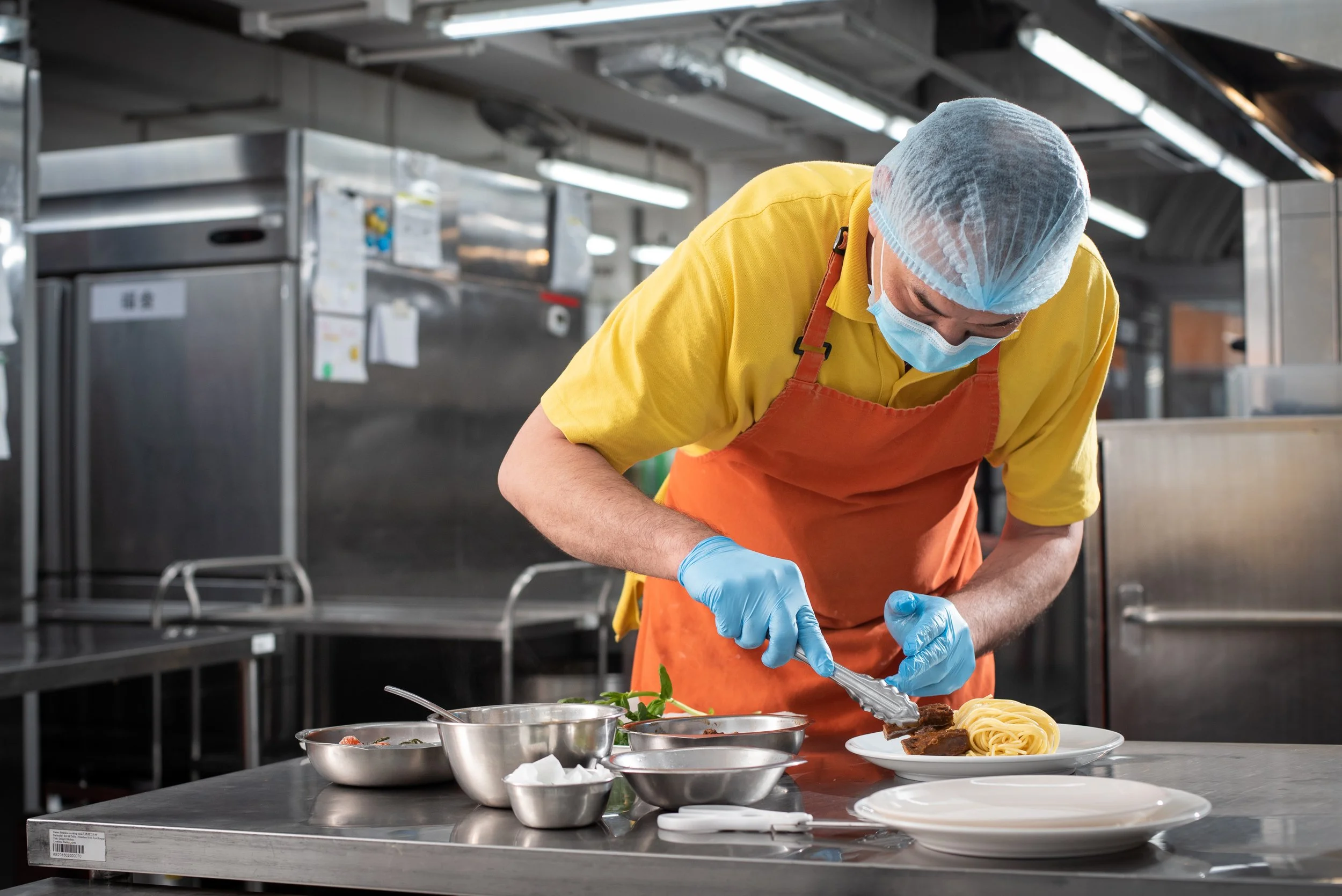
During the pandemic, the food and beverage industry was heavily affected, and we understood the importance of having good food to keep our spirits up.
In FOOD HOUSE COMMUNE KITCHEN, we addressed the problem of rising unemployment and increasing low-income families during the Covid-19 epidemic, doing so by providing affordable lunch boxes to help relieve livelihood problems caused by Covid-19.
The project also considered the plight faced by cloud kitchens, food caterers, and local restaurants whose businesses were affected by restrictions on in-person dining. By inviting them to join the project as our caterers, we were not only patronising of these restaurants and kitchens, it also contributed to the recovery of the local economy.
The project also aimed to show the public that with goodwill, we can make a real difference. For example, to help an unemployed person tide over difficult times, they could buy a lunch box from FOOD HOUSE for them and their family members at a subsided price of $15 per meal box. Furthermore, we invited those who wished to contribute financially by registering on the project’s website and buy the lunch box at an original retail price of $75. By having tiered pricing, we hoped everyone could join the FOOD HOUSE COMMUNE KITCHEN programme to subsidise the cost of lunch boxes and help keep our restaurants and catering businesses going.
We also believed many of those in need might not be comfortable seeking help even during the economic downturn caused by the pandemic. After deducting the food production costs, all funds from FOOD HOUSE COMMUNE KITCHEN were used to support other needy people and restaurants. We hoped more people could feel a little warmth during times of adversity and pool our resources together to alleviate the impact of the epidemic.
Committment to Make the World a Better Place
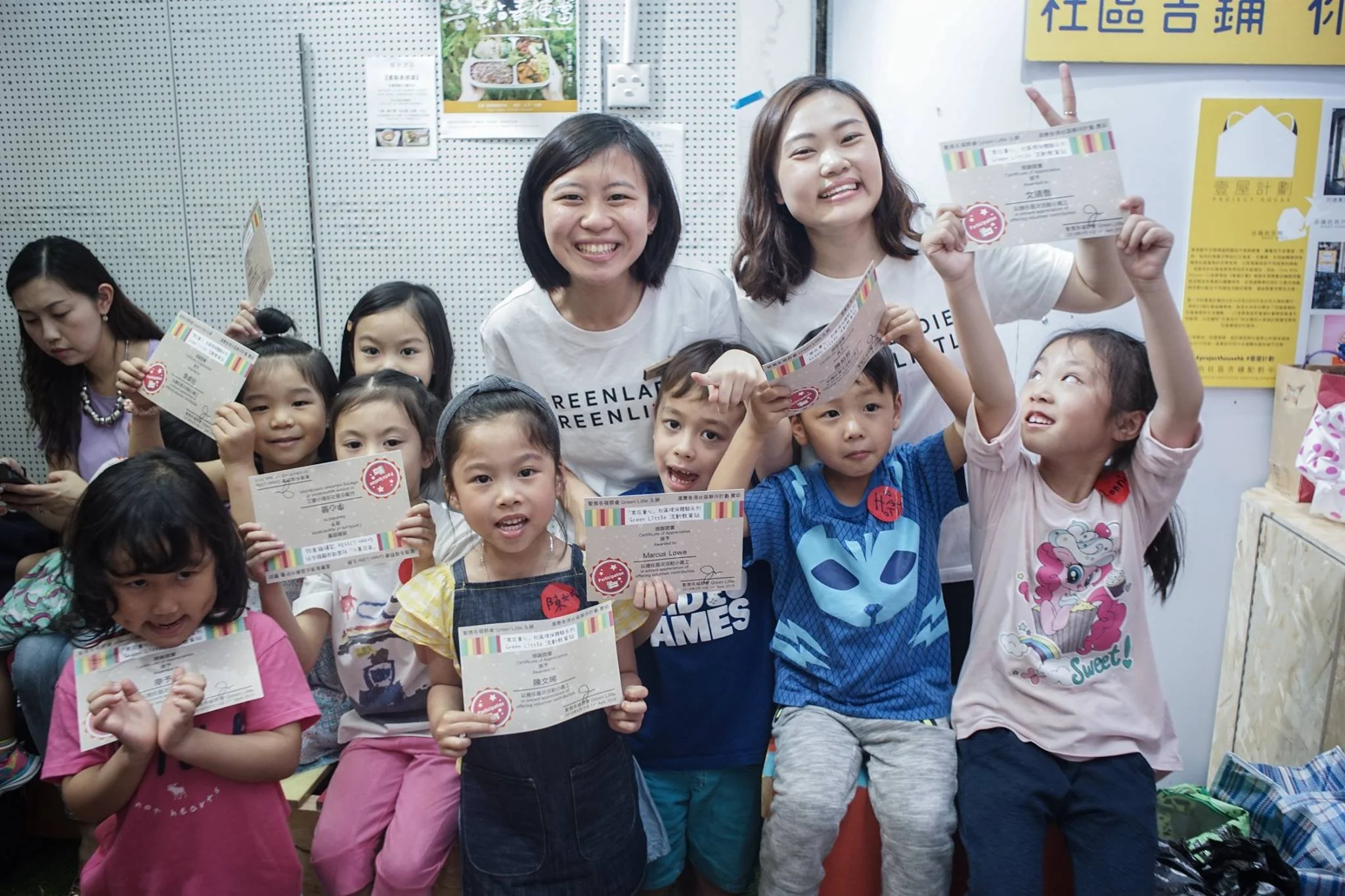
At the heart of our projects is the desire to see happy smiles and make our community a better place.
It is certainly not easy to change the world. However, it did not deter us from wanting to do better. One way to do so is to quantify our social and environment impact by applying the B-Corp criteria in our projects. This helped ensure we are making a positive impact on the society for our projects. Furthermore, we are also committing to design practices that make our city more equitable, vibrant, and healthy. In the future, we hope there will be opportunities to work with other B Corps in Hong Kong and different countries to truly embrace the motto “Using Business as a Force for Good”.
We invite you to partner us in worthy social causes. One plus one can certainly create an impact greater than two when it comes to making the world a better place!
Doing good not only helps companies gain a good reputation; companies motivated by a greater societal purpose also see themselves as part of their communities. Hence, doing good for the society is not an abstract idea; it creates a direct positive effect on our beneficiaries, partners, and ultimately, ourselves.