
Insights: Can We Keep Wet Markets Fresh and Alive?
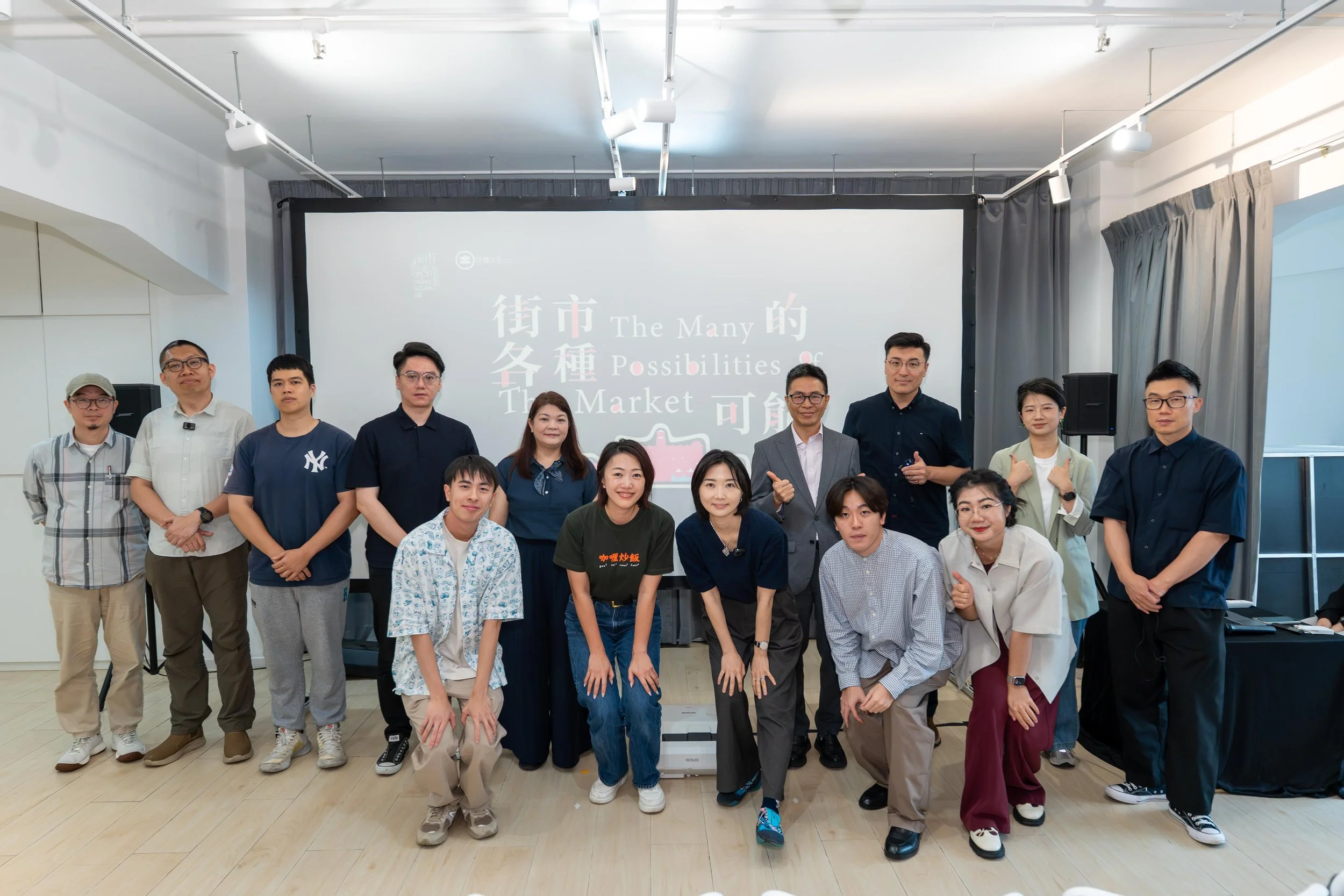
Sarah joined the melting pot of ideas about the many possibilities of markets in Macau.
The traditional wet markets of Hong Kong and Macau are sensory provocations. They are sites of raw urban texture—the rhythmic chop of the cleaver, the sudden shock of cold water on concrete, the unscripted cadence of daily commerce. In an era dominated by hyper-sanitised logistics and algorithmic convenience, these markets persist as stubborn enclaves of human friction.
But how do they survive a century obsessed with erasing friction?
This was the core inquiry animating "The Many Possibilities of the Market," a cross-regional forum hosted by MyLand Culture in Macau. Bringing together cultural practitioners, architects, and independent thinkers, the forum looked beyond the superficial nostalgia of the wet market to reimagine its potential in contemporary urbanism, centring on Macau's historic Red Market.
The Wet Market’s False Dichotomy
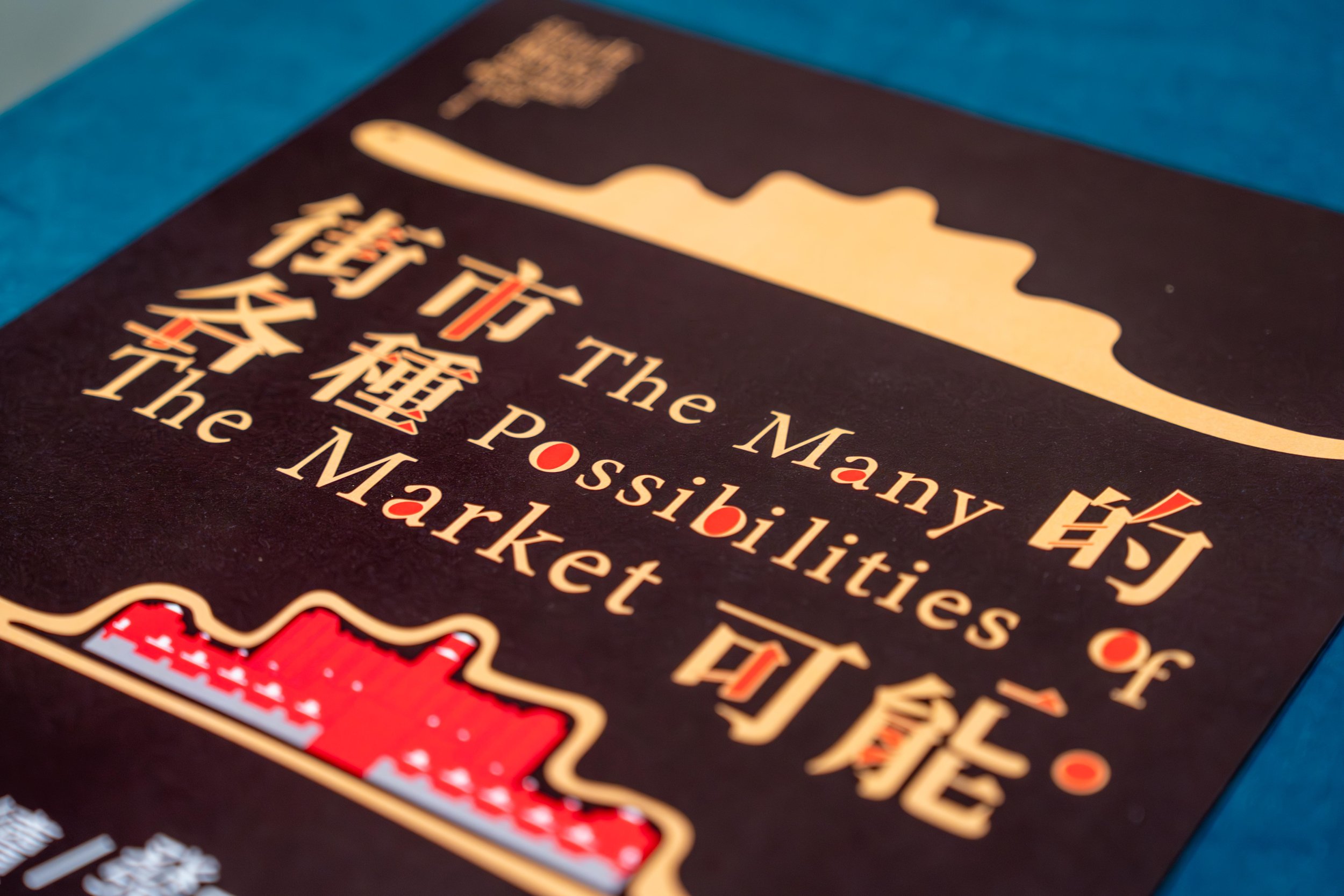
"The Many Possibilities of the Market", an initiative by MyLand Culture, is a two-year project exploring the cultural and social revitalisation of Macau’s wet markets.
Modern city planning frequently traps the traditional wet market within a paralysing double bind. On one hand, it is viewed as an outdated civic nuisance, prime for corporate supermarket replacement. On the other hand, it risks being romanticised into a static heritage monument, preserved so thoroughly that its organic social fabric is effectively suffocated.
Macau urban planner Lam Iek Chit Kaleb pushed this dilemma to its logical, unsettling conclusion during his presentation, posing a vital question to the room:
"Will there come a day when all public markets turn into food courts—or have the entire building's use changed completely?"
The modern dilemma isn't just about economic survival; it is about architectural and social agency.
How can these spaces evolve alongside a new generation without losing their essential vitality? The challenge lies in keeping them integrated into the daily infrastructure of the city, rather than letting them devolve into performative backdrops for cultural tourism.
Insights from the Panel: Defamiliarising the Mundane
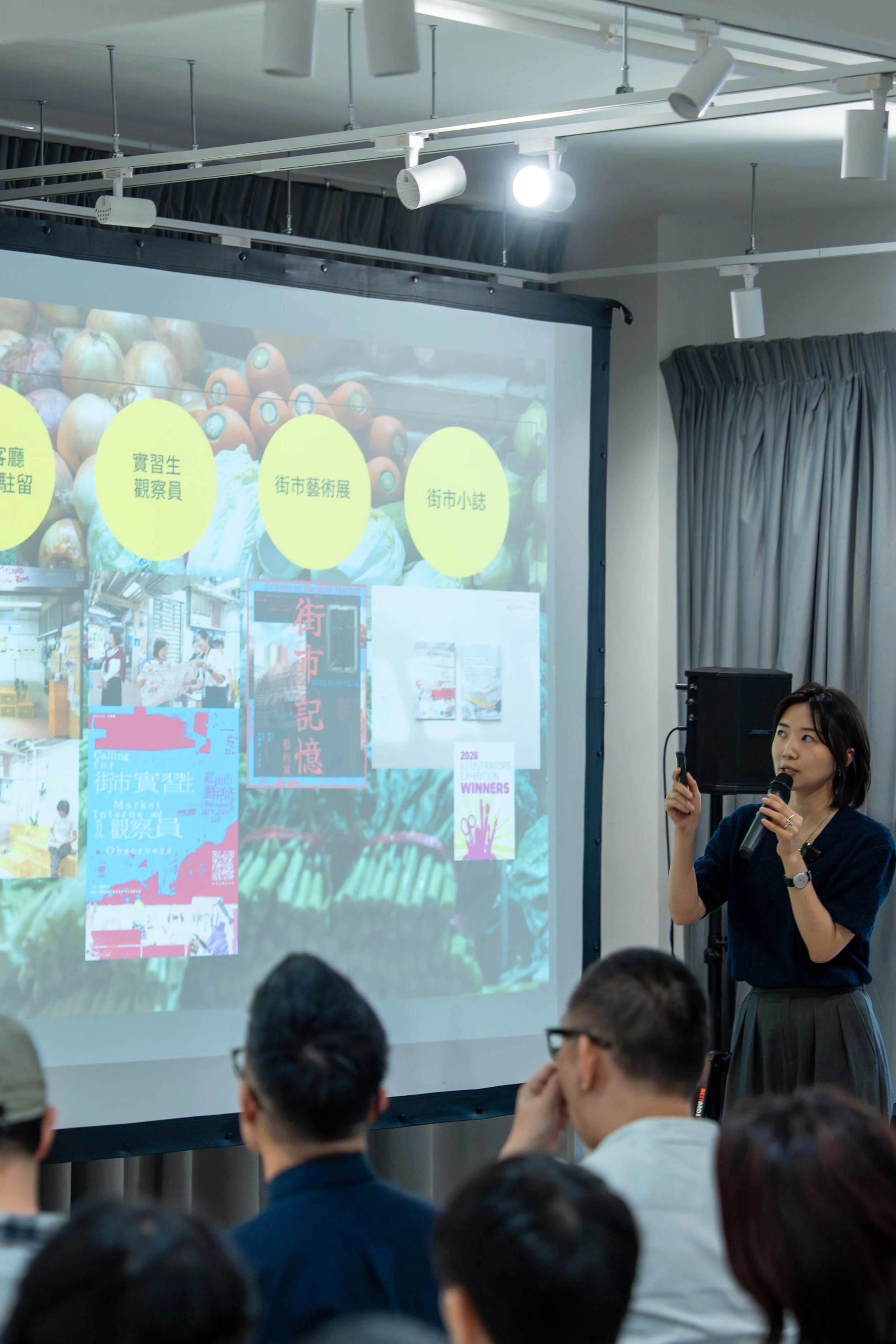
Pal Lok Chok, Founder of MyLand Culture
For nearly two years, MyLand Culture has embedded itself within Macau’s Red Market—a 1936-built landmark recognised for its distinctive red bricks—practising a form of slow cultural intervention that culminated in the "Red Market Art & Cultural Fest" in December 2025.
As Pal Lok Chok, Founder of MyLand Culture, noted during the forum:
"Markets have never been merely places of buying and selling; they also function as social spaces within the community. Art and culture can serve as mediums to engagingly transmit their value and folk wisdom, and even explore innovative possibilities for the symbiosis of economy and culture."
Rather than imposing external aesthetics onto the stalls, the initiative has used artistic inquiry to open up the collective imagination of the market's daily stakeholders, prompting vendors and regulars to re-examine and reclaim their own spatial identities.
The forum unfolded as a series of distinct conceptual lenses, with each speaker challenging the audience to look at the market space with a sharper, more critical eye.
Jason Ho: An Associate Professor at the School of Architecture, South China University of Technology and a veteran curator, Ho shared insights from his market art gallery projects across Changsha, Guangzhou, and Chengdu. He used these case studies to champion the vital importance of spatial commonality and demonstrated how intentional art and design can serve as a permanent bridge to continuously reconnect local communities.
Pak Sheung Chuen: The Hong Kong artist discussed how contemporary art tactics can destabilise our automated relationship with everyday spaces. By deploying curiosity as a subversive tool, his team sought to disrupt stagnant everyday habits: "We placed the creative approaches of five contemporary artists into the Red Market to see if they would generate new ways of imagining this place, allowing everyone to step out of their routine vision."
Thomas Lam: The Macau author of How's Macao? brought a vital, phenomenological grounding to the panel. He guided the audience back to the power of personal perception and everyday bodily observation: "Exploring a community is actually exploring oneself—walking with your feet, breathing with your lungs, and using all five senses to feel those moments that we usually rush past."
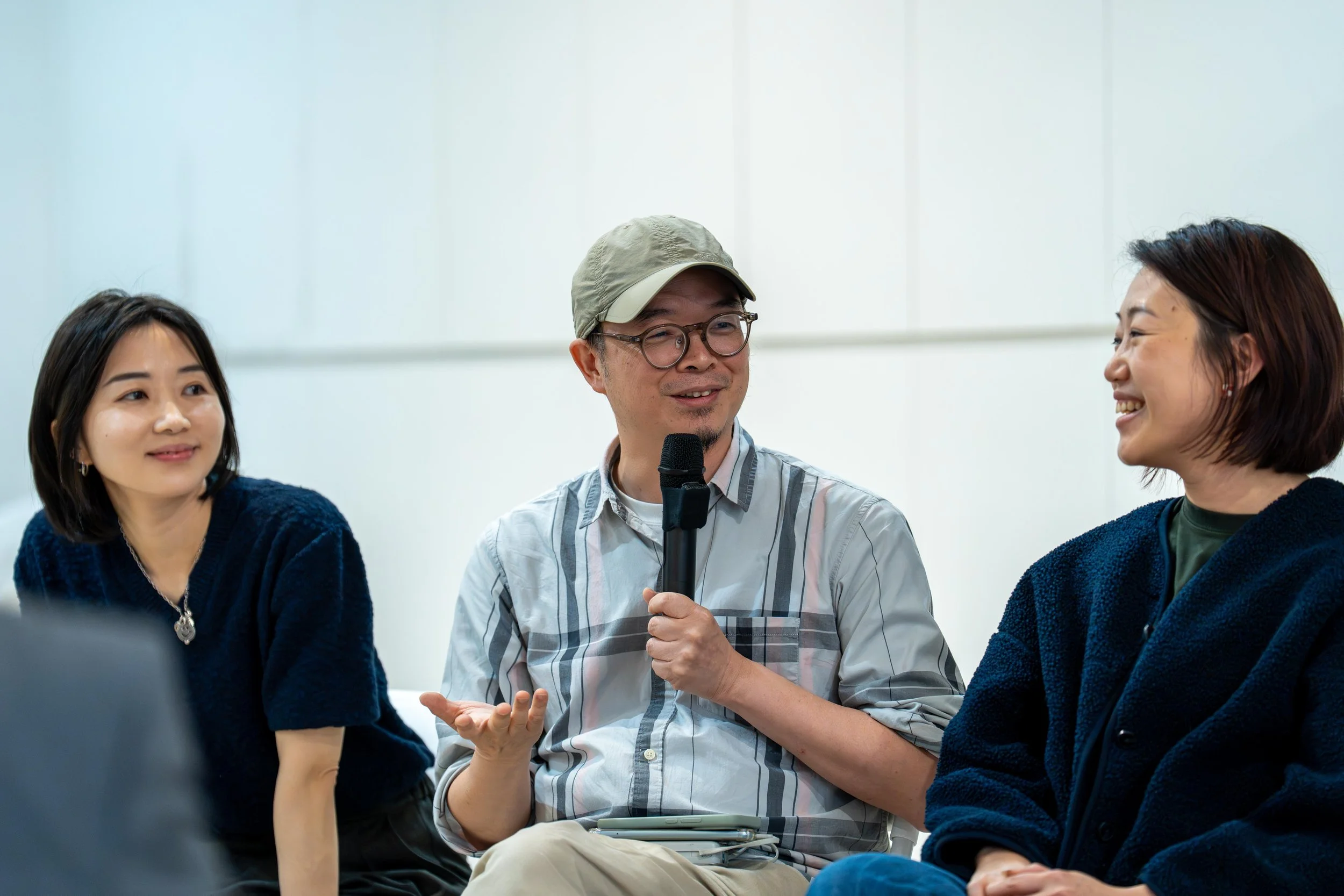
From left: Pal Lok Chok, Founder of MyLand Culture; Pak Sheung Chuen, Hong Kong artist; Sarah Mui, onebite’s Co-founder and Design Director
Tactical Urbanism and the Architecture of the Unfinished
Drawing from our own practice at onebite DESIGN & onebite SOCIAL, Sarah’s contribution to the panel focused on how cultural workers can intervene in community spaces without over-determining them. Her philosophical starting point is simple:
"People love a space not because its physical conditions are the best—but because there is a connection that belongs to them there."
To cultivate that authentic connection, two principles feel particularly urgent for modern practitioners:
1. The Agility of Micro-Actions
We must resist the urge to wait for grand top-down masterplans or bloated municipal budgets. Real spatial reclamation often begins with a series of deliberate, low-stakes micro-actions. These small-scale interventions act as spatial provocations—lightweight, nimble experiments that allow citizens to physically test and experience what a space could be, bypassing institutional inertia.
2. Pulsing with the Community and the Luxury of ‘Leaving Blanks’
True community engagement is an exercise in deep listening; it requires community intervention to move at the precise pulse and rhythm of the neighbourhood. Crucially, cultural practitioners must learn the art of "leaving blanks". When we over-design and over-programme, we crowd out organic life. Leaving physical and conceptual voids within a project gives the community the room it needs to improvise, adapt, and rewrite the space according to their own spontaneous desires.
Keeping It Fresh & Alive
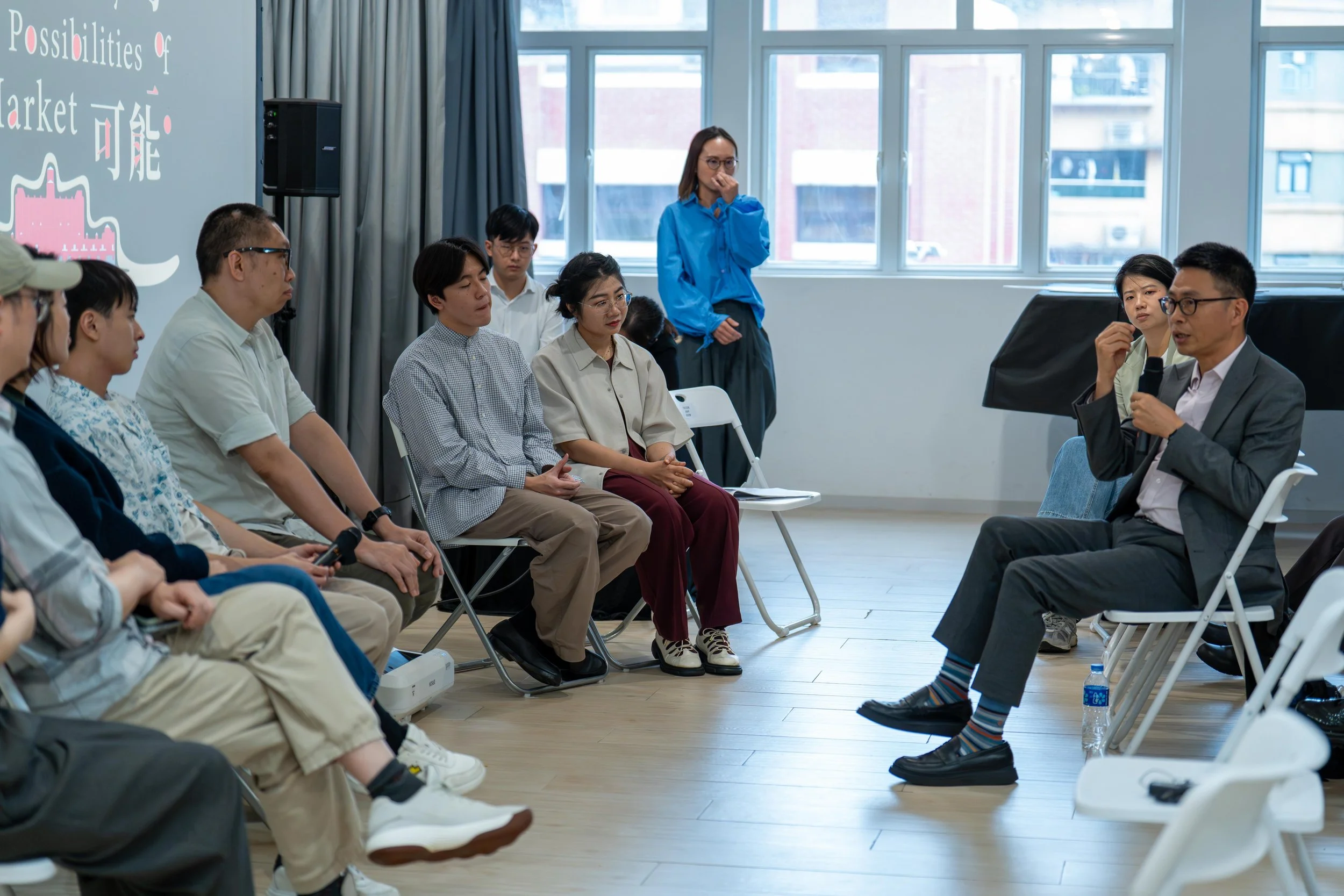
What this afternoon in Macau ultimately proved is that the survival of the wet market depends on preserving its freshness and vitality. It was a profound reminder of how art, culture, and humanity can intertwine with collective memory and local everyday spaces to generate entirely new sparks.
If these spaces are to anchor our cities in the next century, connect with the next generation, and stand as unique urban highlights, they must remain spaces of friction, adaptation, and deep human connection.
A huge thank you to MyLand Culture for delivering an afternoon filled with curiosity, active inquiry, and momentum. We are already looking forward to the next time they invite us to gather at the market gates for a chat.
Further Reading: Explore alternative urban interventions with GUTS Journal
