

Celebrating AIA HK Citations 2025
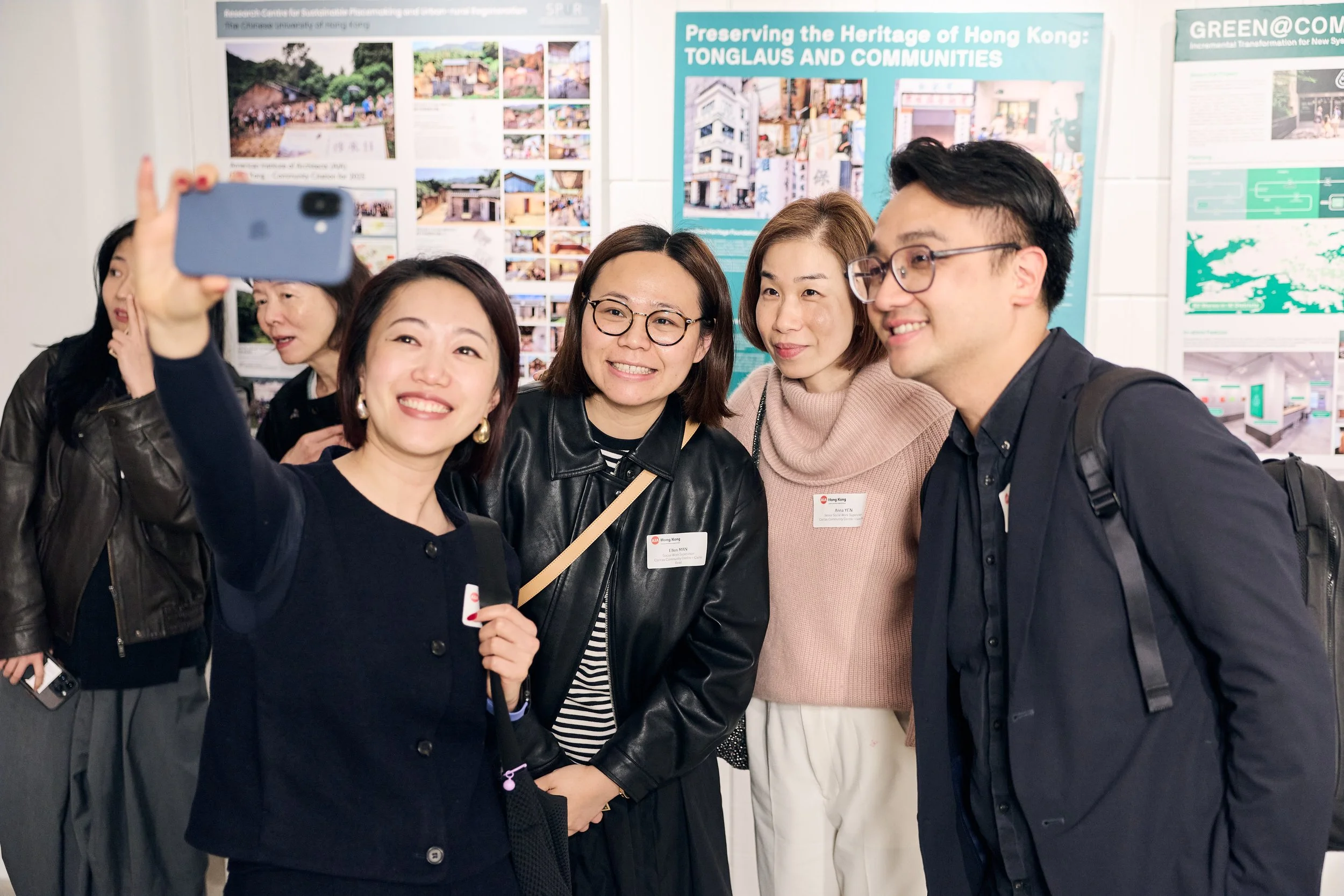
Last Friday, the onebite team attended the AIA Hong Kong Honors & Awards celebrations. We are deeply honoured that the jury recognised two of our recent interventions with the AIA Hong Kong Citations 2025.
For our studio, this recognition validates an ongoing commitment to architecture that operates at the nexus of environmental stewardship, spatial equity, and social sustainability. We are proud to see the architectural discourse in Hong Kong increasingly celebrating projects that look beyond conventional forms to prioritize community and ecological impact.
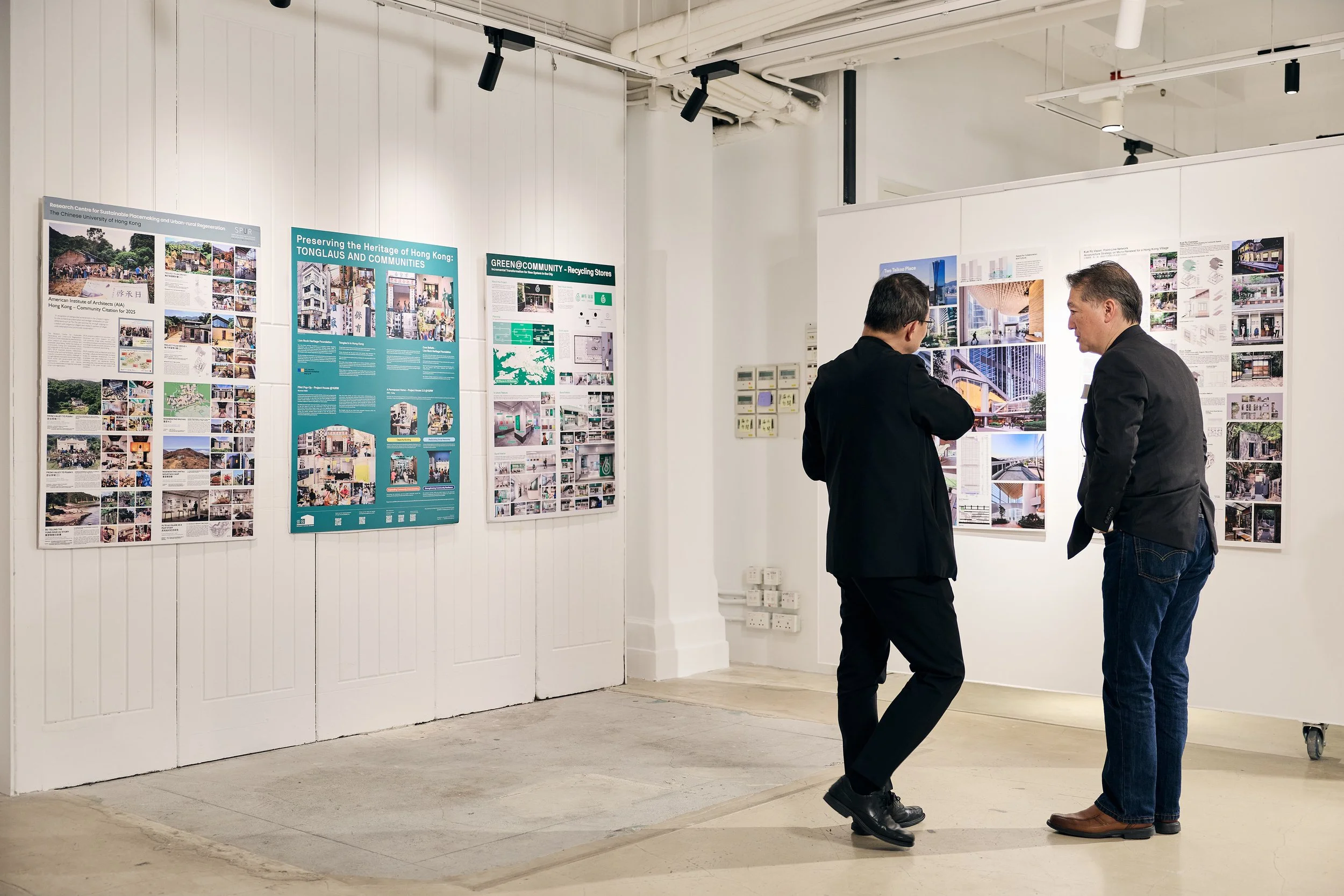
Two of our projects were showcased at the occasion: GREEN@Community repositioned recycling facilities as a visible, engaging civic amenity. Project House@1QRW demonstrates a pioneering approach to revitalise vacant spaces across the cityscape with community-focused programming.
Historically, municipal waste management has been relegated to the invisible margins of urban planning. The GREEN@COMMUNITY Recycling Stores project challenges this paradigm by repositioning the recycling station as a visible, engaging civic amenity. Through clear spatial layouts, inviting material choices, and highly functional programming, the design lowers the threshold for public participation in the circular economy. The architecture here acts as a catalyst, utilising spatial design to encourage sustainable behavioural shifts within the neighbourhood fabric.
Intervening within historic contexts requires a carefully calibrated balance between preservation and contemporary utility. Project House@1QRW explores the critical dialogue between Hong Kong's heritage fabric and modern community needs. By respectfully adapting this site, the design preserves its historical resonance while injecting new, community-focused programming. It ensures that the space remains a vital, living component of the city’s urban narrative rather than a static relic.
We extend our sincere gratitude to AIA Hong Kong for a highly engaging evening, and for championing projects that demonstrate how design can rigorously address both heritage preservation and environmental resilience.
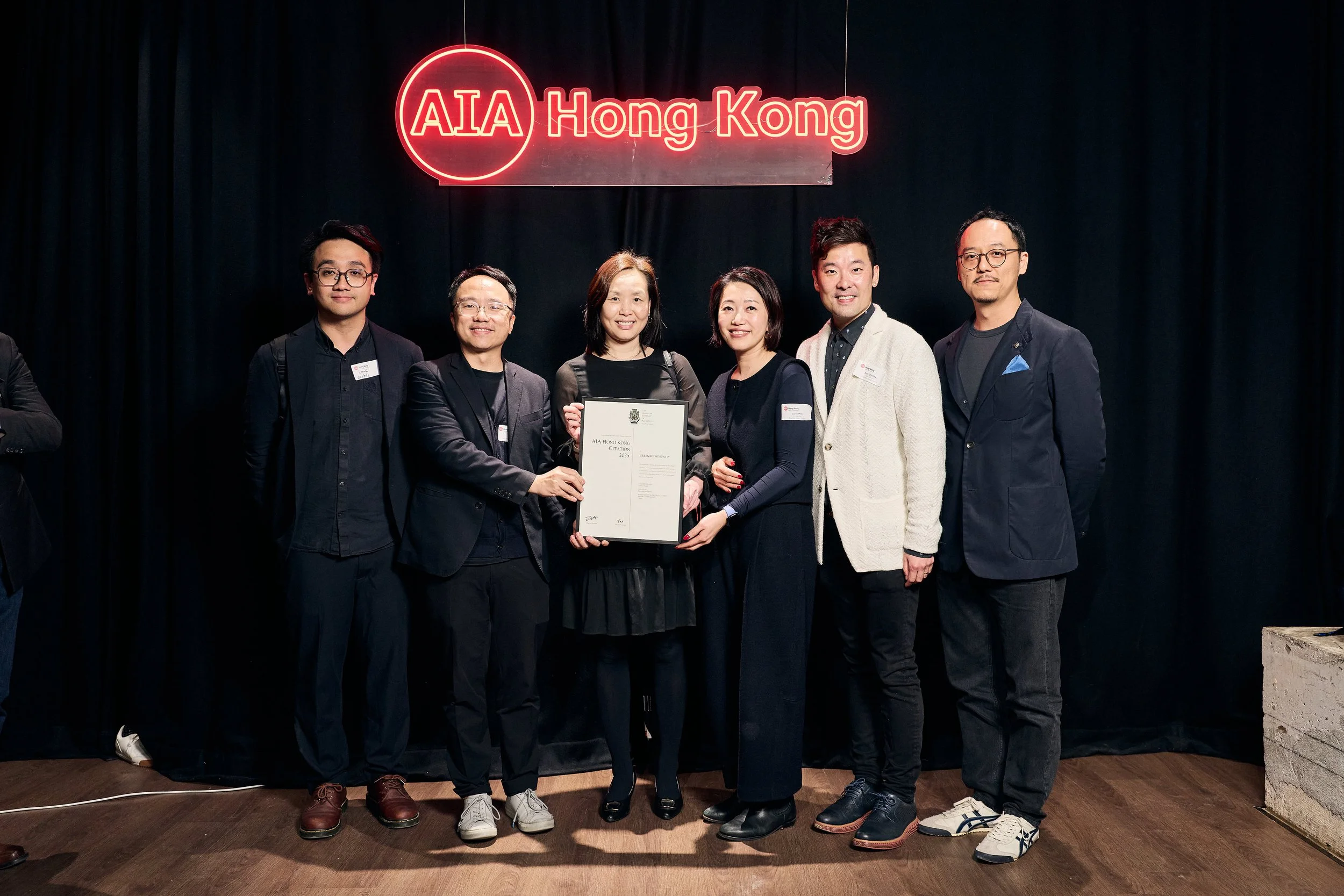
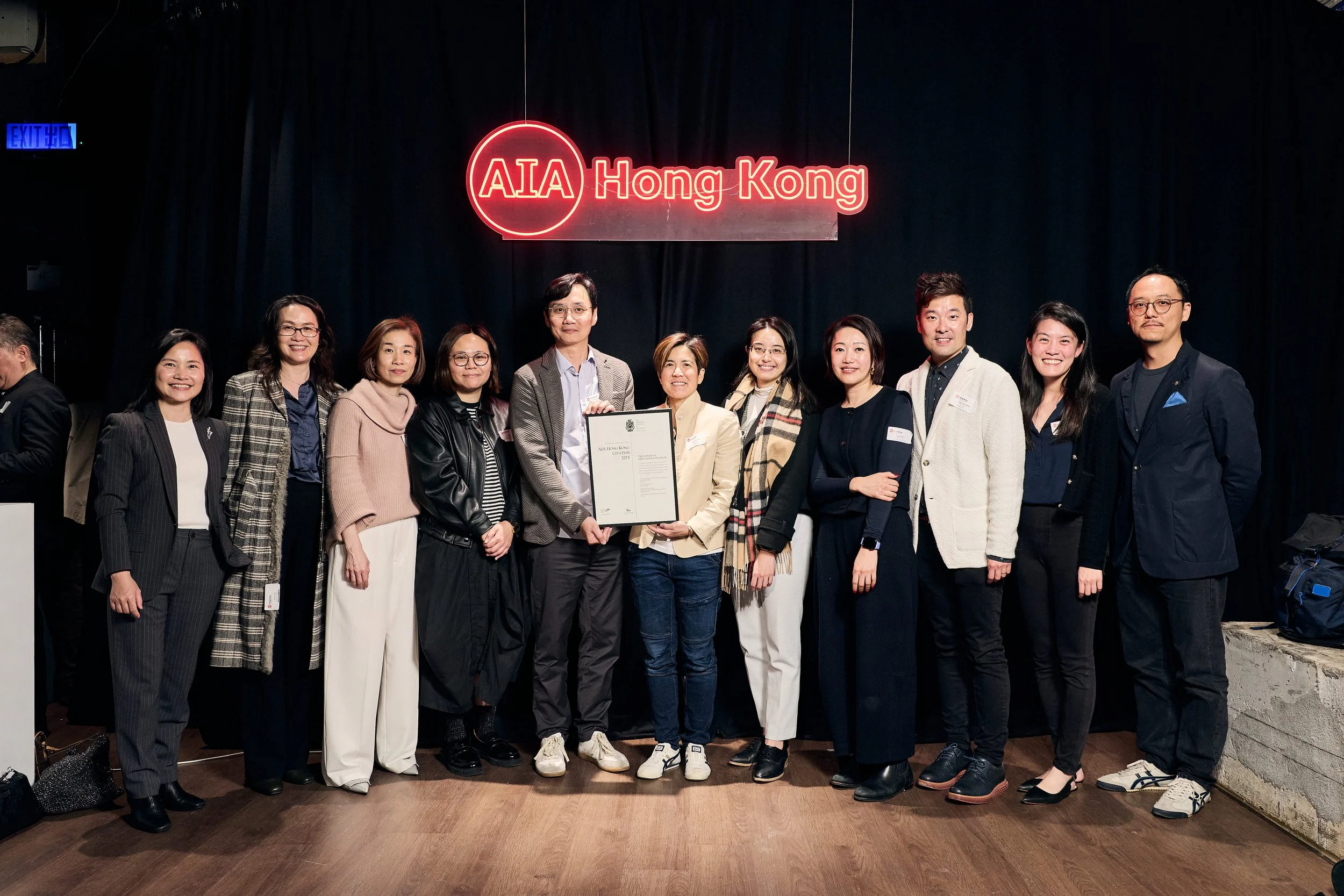
Photos from AIA Hong Kong
